
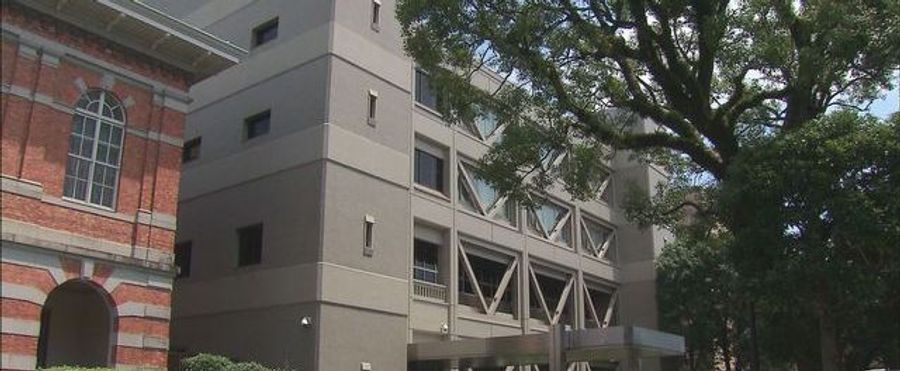
A tragic incident involving a student who was fatally assaulted has concluded in a Japanese courtroom with the perpetrator, a minor, expressing remorse for his actions. The conclusion of the trial marks a significant moment in ongoing discussions about juvenile justice and crime prevention education in Japan. The particular date, location, and identities involved in the case have not been disclosed due to prevailing privacy laws.
In Japan, such incidents draw public attention towards the prevailing legislation and debates around the juvenile justice system and how to handle youth criminal cases. Privacy laws strictly protect the identities of those involved in such cases, particularly when minors are involved. Public sentiment focuses on the balance between accountability, rehabilitation, and preventive educational measures.
In contrast to the US or EU, where juvenile justice systems often heavily lean toward punishment, the Japanese system leans more towards rehabilitation. The reflection of the perpetrator in court signifies this focus on reform. However, there is an ongoing debate about whether these measures are sufficient for crime prevention and maintaining public safety, similar to discussions in the US and EU.