
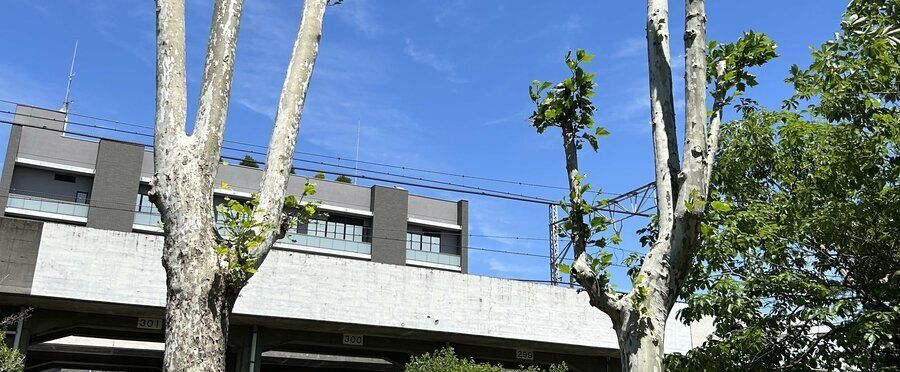
The article discusses the ongoing debate in Japanese communities regarding the balance needed for the overzealous planting of street trees, carving out the intricacies of the 'Do Not Overdo' policy. It delves into how this more conscious approach impacts the dense urban landscapes, not only influencing ecological harmony but also city aesthetics and citizens' well-being. The article explores perspectives from town planners, environmentalists, and locals, drawing a comprehensive mosaic of the situation.
In Japan, urban greenery, especially street trees, hold a significant place as they symbolize the harmonious balance between urban construct and nature. However, excessive planting has stirred debates. The 'Do Not Overdo' policy reflects traditional Japanese values of 'Minimum is Maximum' and respect for nature's balance. The public participation in this debate signifies the active involvement of Japanese citizens in environmental matters.
In contrast, urban greening practices in the US or EU often encourage extensive planting for environmental and aesthetic benefits, with more emphasis on biodiversity strategies. However, similar debates exist, emphasizing the need for a well-thought-out balance instead of just increasing canopy cover.