
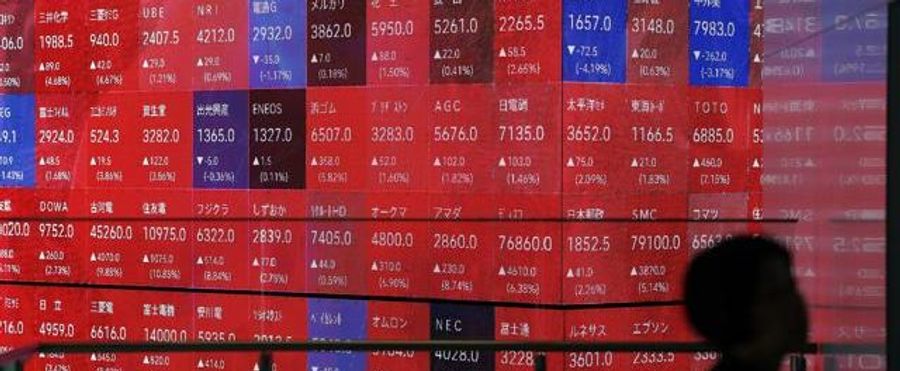
Japan's tax-free investment scheme, NISA (Nippon Individual Savings Account), is seen to have different usage patterns based on regional demographics and annual income, according to recent reports. Data indicates that the utilization of this scheme fluctuates dramatically based on both the participants' income and their geographical location. For example, more affluent individuals and those living in urban areas appear to be benefiting more from NISA. The implications of these findings are significant, impacting aspects such as wealth distribution and economic stability across the country.
NISA was introduced in Japan as a part of the government's efforts to stimulate the economy and encourage more personal investments in the country. The observed variance in its usage reflects the ongoing socio-economic disparities in Japanese society. The more affluent and urban populaces' higher participation level indicates that the scheme's benefits may not be reaching the targeted population at desired levels. The public in Japan, especially those in rural areas or with lower income, are keenly interested in how this issue will be addressed.
Similar to how certain wealth and income disparities in the usage of financial support schemes exist in Japan, comparable situations can also be witnessed in countries like the USA or the EU. In these countries too, more prosperous individuals and those residing in urban areas tend to have higher participation and benefit more from such schemes. It leads to a growing wealth gap and concerns over how financial policies are affecting different demographics differently.