
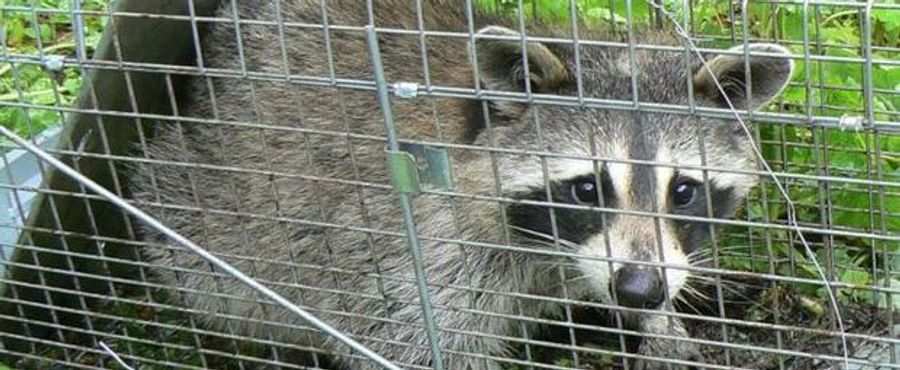
A significant surge has been observed in the raccoon population across Tokyo's 23 districts. The rise of these four-legged bandits, speculated to be due to the urban changes and availability of food, has sparked concern due to the potential environmental imbalance and damage to buildings. Local authorities and environmentalists are seeking effective measures to control this unexpected urban wildlife boom.
Wildlife in urban areas is a serious matter in Japan. This is particularly true for raccoons, which were introduced to and popularized in the country through animated television shows in the 1970s. However, they have earned the reputation as pests due to their tendency to damage buildings, especially temples and shrines, and to disrupt the ecological balance.
Raccoon-related problems exist in the US and EU too, particularly in urban areas. The creatures often rummage through trash cans, leaving behind a mess and sometimes carry diseases that can be harmful to pets and humans. While Japan's approach focuses on population control, many areas in the US and EU use preventive measures such as secured trash cans and educating the public about not feeding the animals.