
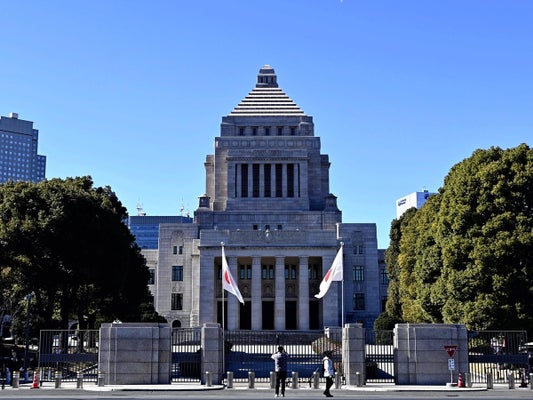
In a recent development that demonstrates the Japanese government's sensitivity to public opinion, lawmakers have decided against increasing their bonuses this year. This decision, while ostensibly a symbol of solidarity with the public during challenging economic times, has been met with mixed reviews. Many view it as a rare instance of politicians putting the public interest before their own, while others consider it a mere token measure.
In Japan, the public has a high involvement in monitoring government spending and perceives any wasteful use of resources as a significant problem. This spontaneous gesture from politicians signals their willingness to listen to the public and prioritize their needs amidst economic instability. Salary and bonus freezes in the face of economic downturns are quite common in the private sector in Japan, and this decision attempts to reflect the same principles in the public sector.
In contrast to the US or EU, where officials' salaries may not always align with the economic realities facing the rest of society, Japan has taken a step to ensure that the income of their public officials mirrors the challenges faced by the citizens. This contrasts with certain instances in the western democracies where official salary increases have been met with vigorous public backlash amidst economic hardships.