
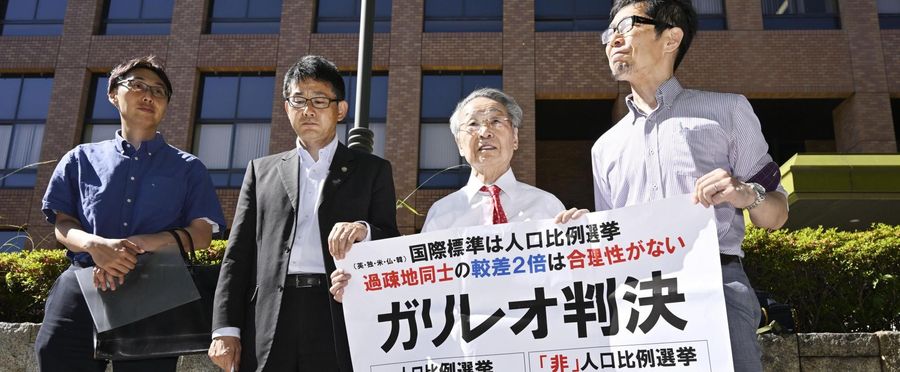
The Japanese Supreme Court has for the tenth time ruled that the vote-value disparity in a House of Representatives election is constitutional. This recurring issue in Japanese politics reflects concerns about urban-rural demographic imbalances. The verdict is an affirmation of adherence to constitutional values even amid public scrutiny and debates over electoral equality.
Japan grapples with an ever-present problem of maintaining balance between densely populated urban areas and thinly settled rural constituencies in its electoral framework. Legal rulings on this issue frequently spark heated discussions about equity and representational democracy. The populace places high value on fairness within the electoral process and tends to be acutely attentive to these decisions.
Similarly, the United States has dealt with issues of electoral parity, particularly with the Electoral College system, which gives certain states more voting power per person than others. In Europe, countries also wrestle with maintaining representation for rural and urban areas in their legislative bodies, such as the UK's 'First Past the Post' system.