
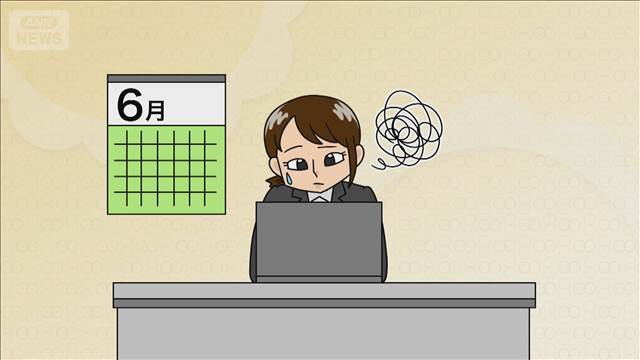
As Japan enters the month of June, it seems a peculiar phenomenon, locally termed ‘June disease,' reemerges. Those affected report a decrease in motivation and lethargic behavior especially at workplaces, typically due to the transitional nature of the period. A variety of factors, including the changing weather, the end of the fiscal year, and the entrance season for schools and new employees, are believed to be conducive. It raises conversations on employee well-being and productivity in Japan.
The 'June disease' is a well-known topic in Japan, commonly discussed in various platforms around this time. The phenomenon affects workplaces and schools, leading to a distinct societal fear and simultaneous acceptance. The issue sheds light on Japan's work culture and the society's commitment to duty and diligence, which may blur the line between commitment and overwork. It also invokes discussions on mental health support and prevention measures.
In contrast, Western cultures such as the US or EU often acknowledge similar periods of decreased productivity or motivation, perhaps end-of-year fatigue or 'Monday blues'. However, the idea of a specific month inducing such feelings is relatively unheard of. This divergence might be due however to the distinct cycle of the fiscal year and school entry season in Japan as opposed to the Western world.