
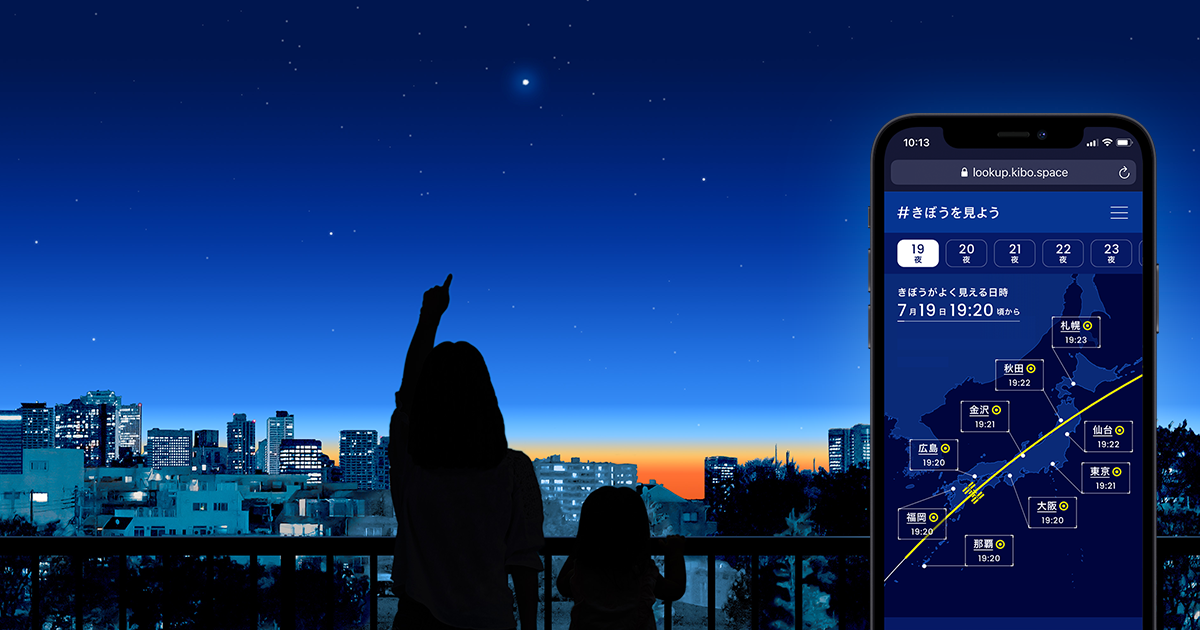
The article focuses on the International Space Station's (ISS) Kibō module, Japan's science laboratory in space. It is designed to help readers find the module in the night sky from Japan. The piece explains what the Kibō module is, where and when to look out for it in the sky, and why it is crucial for Japan's space exploration initiatives.
Space exploration is a topic of great interest in Japan, with the Kibō (Hope) module representing the country's significant contribution to the ISS. The Japanese public pays close attention to such developments, with a strong emphasis on education and promoting interest in the sciences. The ability to locate Kibō in the sky can elevate national pride, encourage scientific curiosity, and inspire the younger generation to explore space science-related careers.
Similar to Japan, both the US and EU have significant interest in space exploration. They also have representations aboard the ISS and engage the public in tracking their modules. Such engagement instills a sense of national pride, fosters scientific curiosity, and promotes education in space science.