
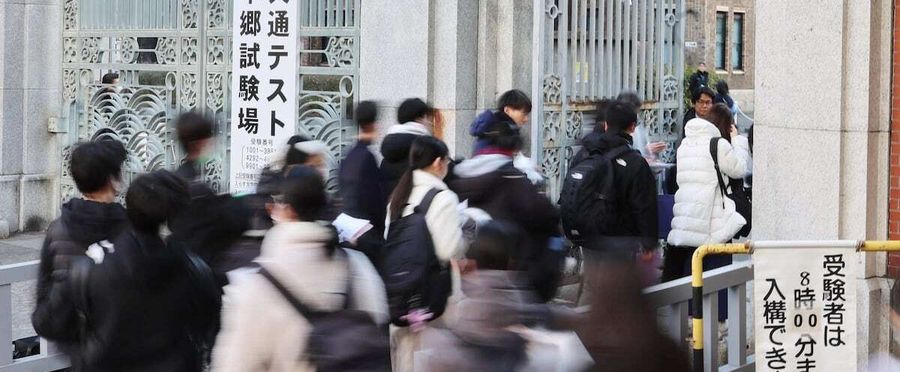
The Japanese government's move to make university education free has come with a catch. It excludes students who have failed entrance examinations three or more times. The policy is stirring controversy as it seemingly punishes hardworking students for their continued attempts to secure a university spot. Critics argue that this approach caters to privilege, leaving behind individuals who may take more time to academically excel due to socio-economic constraints.
In Japan, competition for university admission is fierce, with many students dedicating years to intense study to pass the rigorous entrance examinations. The policy of excluding those who fail three times disproportionately impacts more disadvantaged sections of society without adequate resources for quality exam preparation. This sparks debates about educational equality, access to opportunities, and Japan's long-standing merit-based system.
In the US or in the EU, education systems generally accommodate multiple attempts at university admission, acknowledging that circumstances such as socio-economic conditions can impact a student's preparation and performance. The issue echoes debate in these regions about equality in education and how to remove barriers that prevent disadvantaged students from accessing higher education.