
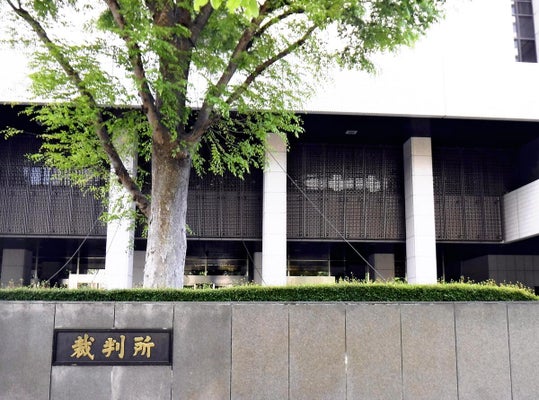
A groundbreaking AI software recently stirred controversy in Japan by mimicking the voice of popular actor Kenjiro Tsuda. The creators of this technology are facing potential legal action for unauthorized use of Tsuda's persona. While the specific details of the litigation are yet to be unveiled, this case highlights important debates revolving around the ethics of AI, celebrity rights, and digital impersonation.
Japan has been at the forefront of AI development, but with the rapid technological advancement comes complex legal and ethical issues. Japanese people care about their entertainers' rights being protected, and many are concerned about the misuse of technology to exploit those rights. This case reflects ongoing discussions within Japanese society about balancing technological innovation with protecting individual identities and rights.
Similar concerns have emerged in the US and EU, especially surrounding deepfake technology, which can create convincing counterfeit audio and video. The laws are still catching up with these technological advances in many regions. For example, in California, USA, it is illegal to create deceptive audio or video content of politicians within 60 days of an election.