
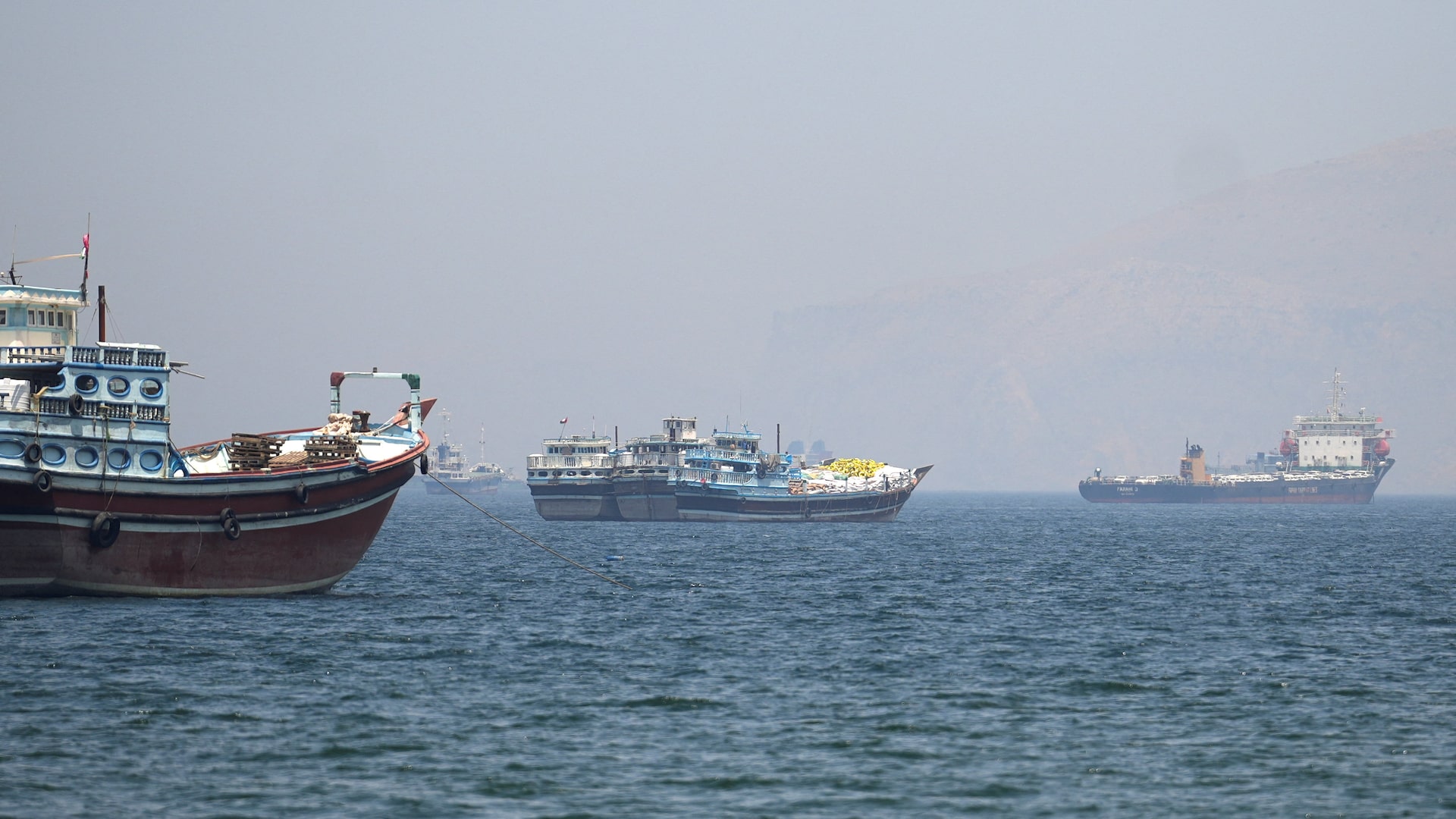
In a recent development, a fleet of 26 vessels, inclusive of tankers, has successfully transited through the strategically vital Strait of Hormuz. The fleet's movement bears significance due to the strait's critical position as a global conduit for oil transactions. Notably, Japan's oil imports rely heavily on this maritime route. Though specifics about the fleet's objective remain undisclosed, this passage underscores Japan's assertive maritime presence.
Japan, being heavily dependent on Middle Eastern oil, is significantly invested in maintaining the stability and safety of the Strait of Hormuz. The event, hence, directly affects Japan's energy security and economic stability. Instances similar to this have previously sparked meaningful discussions in Japan about its maritime and energy policies.
In the United States or the European Union, oil import pathways, such as the Strait of Hormuz, are similarly considered strategically important. Security in these transit corridors is often a subject of international relations discussions. However, unlike Japan, the U.S. or EU have efficient alternatives for oil import in place and are not as heavily dependent on a single route.