
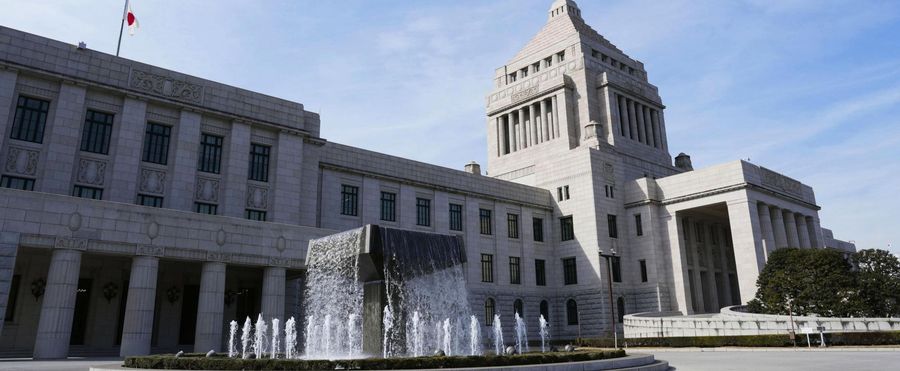
The Japanese government has officially enacted the "revised Urban Regeneration Law" aimed at revitalizing regional areas. The law is expected to help revamp declining local economies by encouraging decentralized growth and sustainable urban development. Its enactment is part of a broader government strategy to stimulate economies outside major population hubs like Tokyo and Osaka, which have traditionally absorbed much of the country's wealth and resources.
For Japan, the issue of urban depopulation and the decline of local economies is a pressing concern, as many regions face the dual challenge of a greying society and younger generations migrating to big cities. The government aims to reverse this trend with measures such as the Amended Urban Regeneration Law. Society generally appreciates initiatives that bolster local economies and preserve cultural heritage.
In contrast to the US and EU, where migration between regions is relatively fluid and encouraged, Japan's socio-cultural nuances often make migration a less attractive option. Urban regeneration initiatives comparable to Japan's exist in both the EU and US, focusing on rejuvenating economies through sustainable urban development, but they're typically on a city or state level rather than nationwide.