
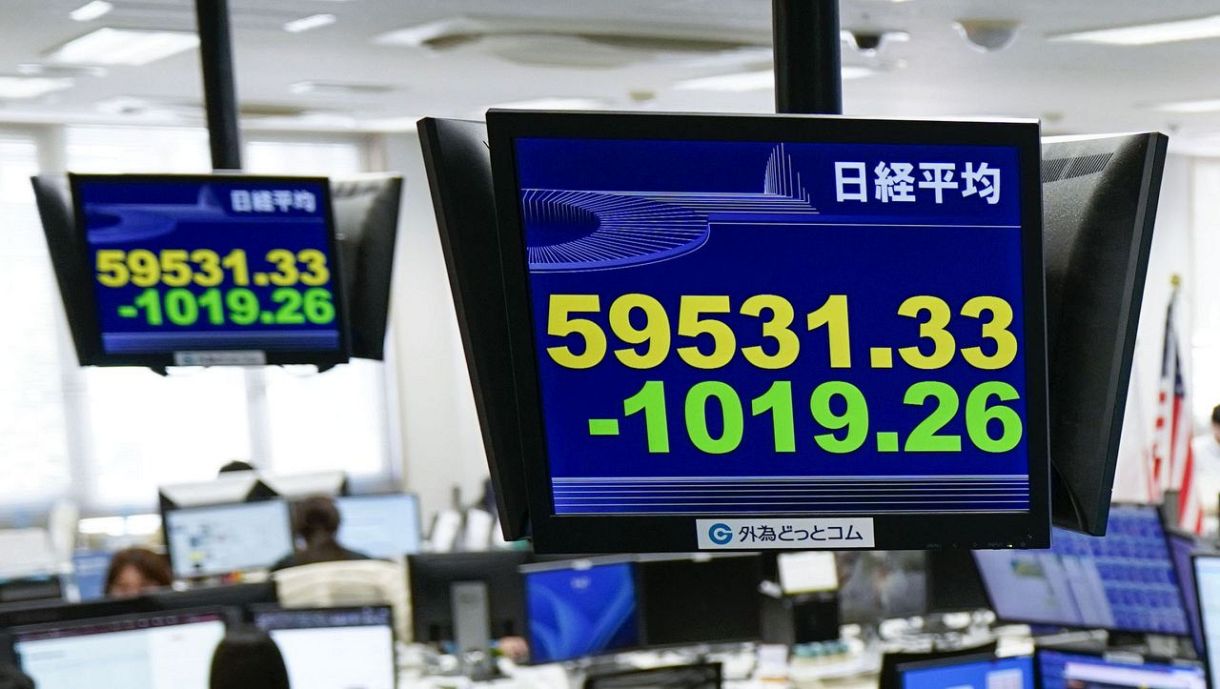
The Tokyo Stock Exchange witnessed a notable drop, sinking below the 60,000 yen mark for the first time in roughly three weeks. Various external macroeconomic factors such as global geopolitical tensions and internal fiscal policies likely contributed to this dip. The progress of the market from this point forward is keenly awaited by economic observers and investors alike.
Japan's stock market is the third largest in the world by market capitalization, following the New York Stock Exchange and the NASDAQ. Hence, fluctuations on the Tokyo Stock Exchange tend to be scrutinized both domestically and internationally. The market's performance is seen as a reflection of the health of the Japanese economy and its businesses.
In either the US or the EU, a significant dip in the stock exchange is handled similarly. It would typically lead to heightened scrutiny from investors, regulators, and the public. It may also incite policy discussions centered around economic stability and resilience.