
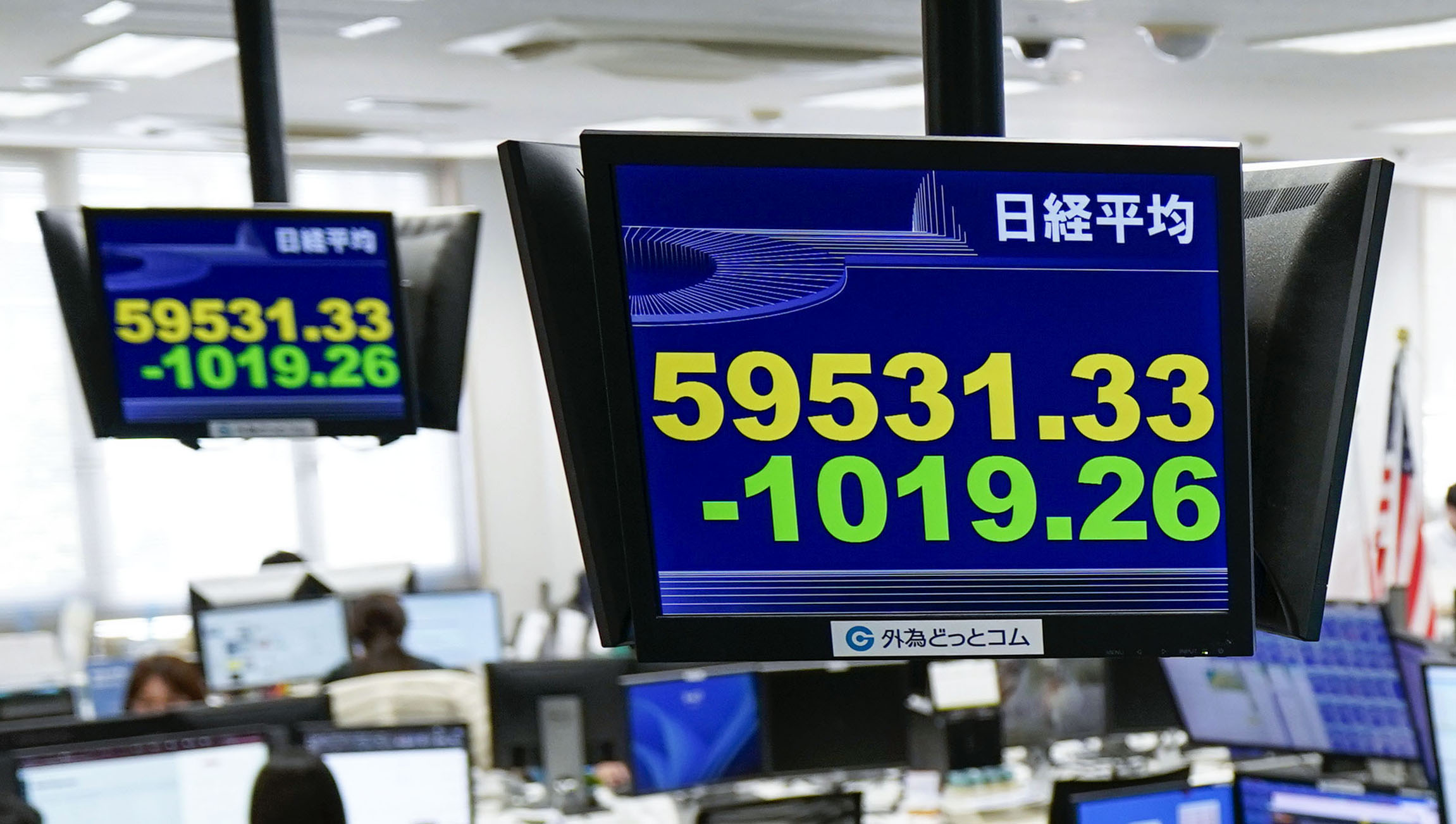
The Tokyo Stock Exchange experienced a notable decline, with a dip below the 60,000 yen threshold for the first time in three weeks. The economic tension arises from various national and international factors. The exact reasons and long-term implications are to be explored in the subsequent analysis.
In Japan, the stock market is a significant reflection of economic health and stability, capturing the attention of investors, business professionals, and even average citizens. Moves like this can drive decisions at all levels — from government economic policies to individual investment strategies. Such shifts impact the broader economy, affecting corporations’ performance and potentially influencing job markets and consumer confidence.
Like in the US and EU, stock market fluctuations in Japan are closely monitored and can impact decisions on fiscal and monetary policies. However, given Japan's unique economic structure and larger dependency on exports, the implications might vary. The reactions might be different, much like how the US market reacts to Wall Street performances or how European economic strategies change according to fluctuations in major European stock exchanges.