
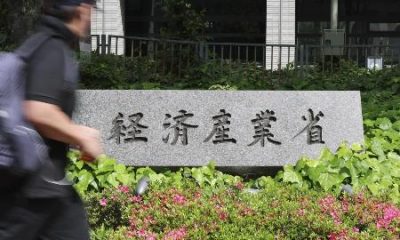
The Japanese Government is reportedly planning to hold off its usual plea for citizens to conserve power during the summer. Typically, such requests are part of efforts to curb electricity demand during the peak season, considering the country's energy shortage following the 2011 Fukushima disaster. The decision comes amidst climate change initiatives and an increased focus on renewable energy, providing relief to a population accustomed to strict summer energy-saving measures.
Since the 2011 Fukushima disaster, Japan has faced an electricity shortage, leading to government requests each summer for citizens to conserve power during peak hours. This impacts people's daily life, sometimes necessitating adjustments in lighting, air conditioning, and other electrical devices. These measures reflect Japan's deeply ingrained conservationist spirit, but can also cause discomfort during the hot and humid summer months.
In the US and EU, reduction of power consumption is encouraged mainly through incentives such as time-varying electricity rates and rebates for energy-efficient appliances, rather than explicit government requests. Additionally, due to a comparatively diversified and less strained energy grid, power conservation during summer isn't as frequently stressed.