
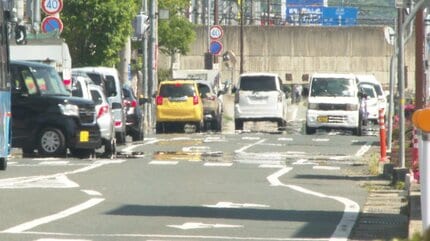
Japan's Tohoku region recorded its first "moushobi" (intense heat day) of the year, with temperatures hitting 35.1°C. These temperatures typically mark the start of the summer heatwave season in Japan, sparking concerns around public health and safety. The local government encourages residents to stay hydrated and take measures to combat heatstroke in light of the predicted high temperatures.
In Japan, high temperatures during the summer season are a serious public health concern. Excessive heat can lead to heat-related illnesses such as heatstroke. The government typically launches extensive public awareness campaigns to educate the public on the effects of the heat and to reduce heat-related hospitalizations and deaths.
Like in Japan, similar heatwaves in the US or EU are treated as a public health risk. Governments issue warnings and launch awareness campaigns, recommending residents to stay hydrated, limit outdoor activities, and make use of air-conditioned buildings. However, air-conditioning is far less common in Europe, making coping with extreme heat an extra challenge.