
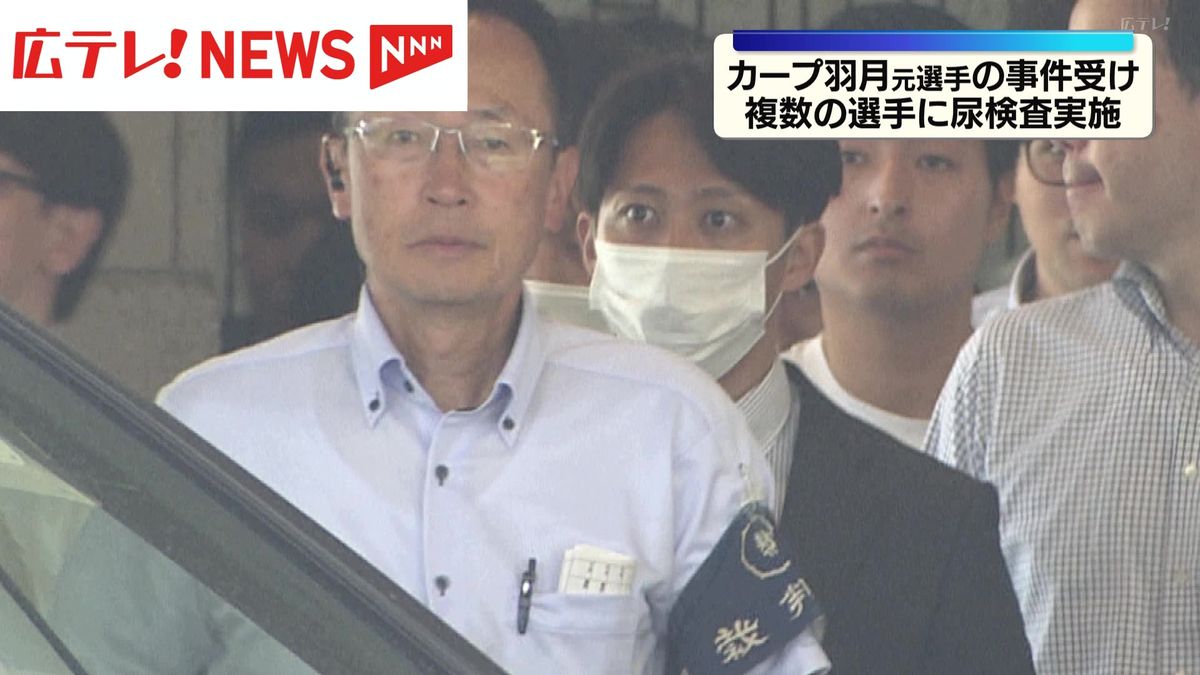
Multiple members of the Hiroshima Carp, a team in the Japanese Professional Baseball league, have recently undergone mandatory urine testing processes. This comes as part of the league's regular anti-doping measures aimed at maintaining a fair competitive environment. The tests are reportedly implemented randomly throughout the season in cooperation with the World Anti-Doping Agency (WADA) standards and policies.
Anti-doping measures are taken very seriously within Japan's professional sports landscape. As a nation that prides itself on fair competition and sportsmanship, scrutinizing sports performance for potential substance misuse is essential and generally supported by the public. Incidents of substance misuse can cause significant controversy and public scrutiny, so athletes and teams typically prefer to be transparent in their compliance with testing procedures.
Similar to Japan, the United States and European Union both have stringent anti-doping procedures in place with their professional sports leagues. Random drug testing is a common practice to ensure fair competition and discourage misuse of performance-enhancing drugs. The reaction to and handling of such incidents are also quite similar across these regions, with the public appreciating transparency and accountability from sports teams.