
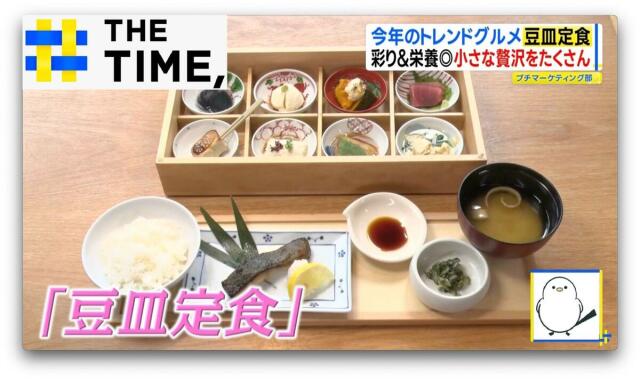
The concept of 'Mamezara Teishoku', translated as 'Small Dish Set Meals', is gaining popularity in Japan. The concept involves serving food in small plates, focusing on portion control and a variety of dishes. This trend is particularly popular with younger generations who are drawn to its affordability and simplicity. The return to traditional eating habits is an exciting change in the Japanese food scene.
This news reflects Japan's cultural appreciation for simplicity, minimalism, and elegance. The trend manifests Japanese societal values of self-restraint, aesthetic beauty, and practicality. It also ties into the trend of "slow living" that has spread across young adults in Japan, demonstrating a conscious shift away from fast food culture towards traditional, mindful eating.
In the US or EU, the trend may be analogous to the rise of tapas, charcuterie boards, or farm-to-table movements, which share values of enhancing dining experience through variety and emphasis on quality over quantity. However, the cultural emphasis on minimalism and simplicity presents a unique characteristic of this trend in Japan.