
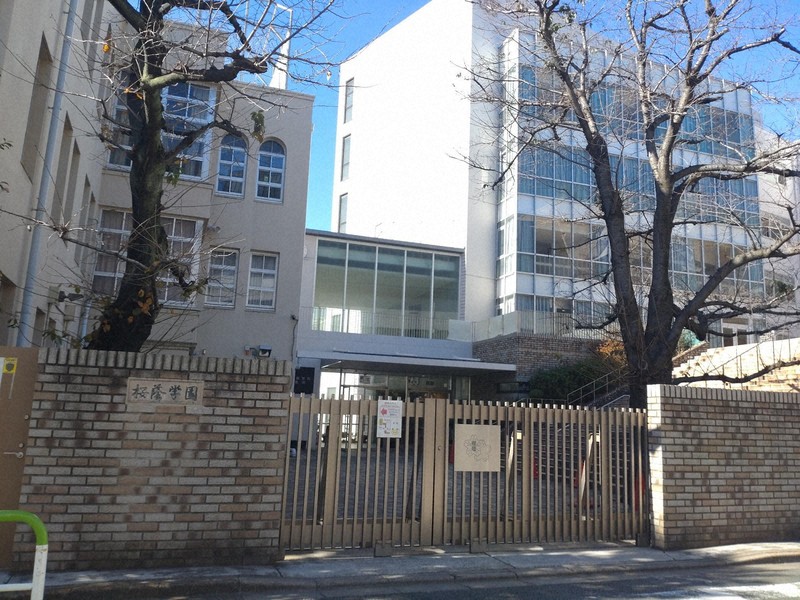
A recent court decision in Japan has ruled in favor of proceeding with a high-rise residential project near the Sakura Garden, without any interrupting restrictions. Despite opposition from locals who worry about the beauty of the area being marred by towering structures, the court deemed it lawful for the project to continue. The ecosystem protection groups' efforts now hang in uncertainty as they strive to maintain the quaint charm of Sakura Garden and its surroundings.
Japan, known especially for its urban development while preserving green areas, often faces controversies over any project that poses a potential threat to these cherished havens. Particularly, the controversy over Sakura Garden, revered for its cherry blossoms, reflects a larger societal sentiment towards protecting Japan's cultural and natural heritage amid urban growth. Legal, cultural, and environmental aspects are deeply intertwined in instances like these.
Unlike in Japan, in countries like the US or EU, there exist definitive zoning laws and regulations for land development. Preserving heritage sites or natural spaces while also promoting urban development can sometimes lead to conflict. However, such issues are typically handled through public hearings, community votes, or through specific environment-related requirements outlined by legislation.