
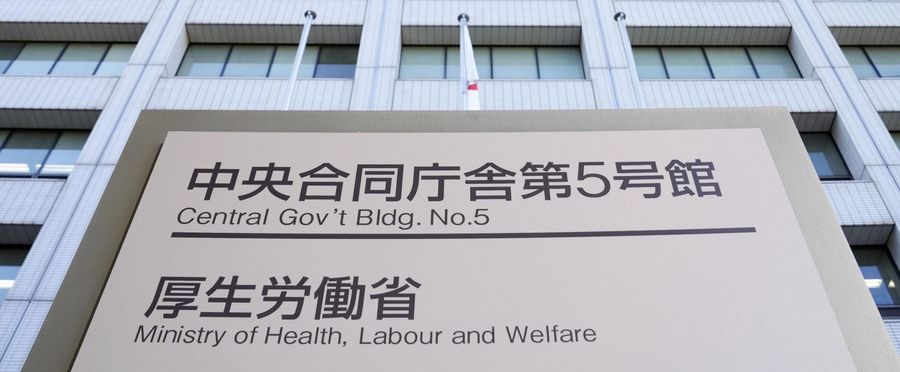
As part of an initiative to foster a healthier society, Japan is set to broaden the obligatory implementation of 'stress tests' in workplaces by 2028. These stress tests will assess mental health and aim to balance work stress by implementing proper strategies for reducing workplace pressure. The move has stemmed from concerns over 'karoshi' - death via stress from overwork, which has been a severe issue impacting Japan's workforce for years. The initiative is expected to yield positive effects on employees' well-being and overall productivity.
In Japan, excessive working hours and workplace stress, leading to 'karoshi', pose a serious problem. The government has been striving to combat this issue by promoting healthier work-life balance within the population. This expansion of mandatory stress tests signifies the government's commitment to proactively address mental health issues at work, reflecting social values of collective wellbeing and responsibility.
Mental health in the workplace is, similarly, a subject of deep concern in the US and EU. However, approaches vary. In the EU, for instance, legislation on working hours is strict to prevent overwork. In the U.S., employer-provided Employee Assistance Programs (EAPs) that offer mental health services are more common. Neither have mandatory stress tests as a staple policy, making Japan's approach unique.