
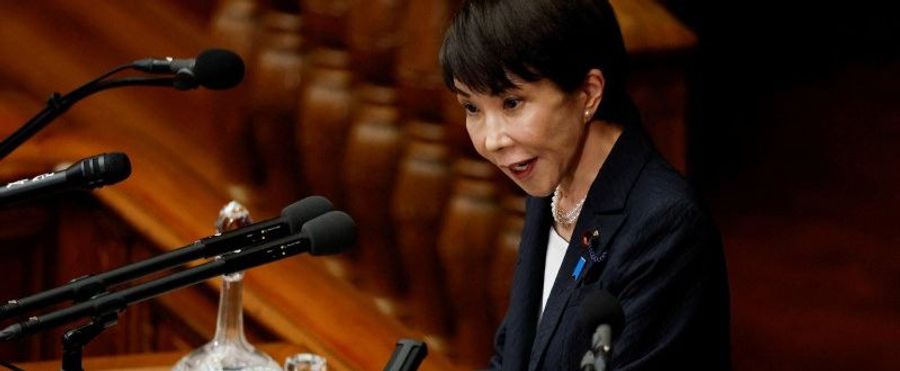
Amid growing whispers of a potential cabinet reshuffle, there are mounting anxieties within the Japanese government around the state of national finances. The specifics of when, where, or who may be implicated by the possible changes are not yet clear but the significant topics driving this reconsideration are budget appropriations and economic stability. The reasons behind the move are unclear, however, it could be an attempt to address perceived weaknesses in fiscal management.
In Japan, news of cabinet reshuffles tends to be seen as a political strategy by the ruling party to manage its image and address festering issues. In this particular case, concerns over fiscal management relate to broader anxieties about Japan's public debt and economic health. Japan’s debt-to-GDP ratio is one of the highest among developed nations, drawing significant public and political attention.
In nations like the US or EU, similar concerns would be addressed in politically analogous ways. However, the diversity of political systems and financial statuses in the EU compared to Japan may lead to differing responses. Managing public finances and addressing any perceived fiscal inadequacies are issues central to governance worldwide and cabinet reshuffles are a common tool in response.