
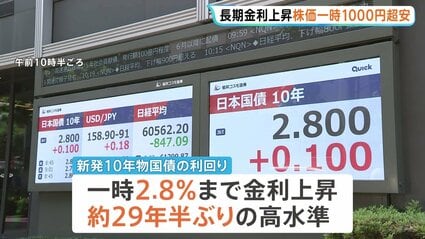
Japan is facing a pressing fiscal challenge known as the 'triple loss', raising public and institutional concerns about the country's economic future. The deterioration of Japan's fiscal situation has been attributed to economic policies, increasing national debt, and anxieties about slowing economic growth in the face of an aging population. The 'triple loss' is expected to continue exerting pressure on the country's finances, potentially leading to severe economic ramifications if left unchecked.
The 'triple loss' is a serious economic issue in Japan and is a topic of national public concern. It refers to the simultaneous occurrence of decreasing tax revenue, low interest rates, and the selling of government bonds. Given the nation's reliance on public spending and expansive fiscal policies to stimulate economic growth, this could lead to long-term financial instability. Furthermore, Japan's aging population only exacerbates this fiscal strain as it results in higher welfare expenses and less labor market participation.
In the US and EU, there are also concerns about national debt and fiscal stability, particularly in light of increased government spending to alleviate the economic impact of the COVID-19 pandemic. However, unlike Japan, these countries still have a relatively younger population, affording them more time and resources to address these issues strategically. Their handling of similar fiscal situations would typically involve discussions on adjusting economic policy, tightening fiscal responsibility, and stimulating economic growth.