
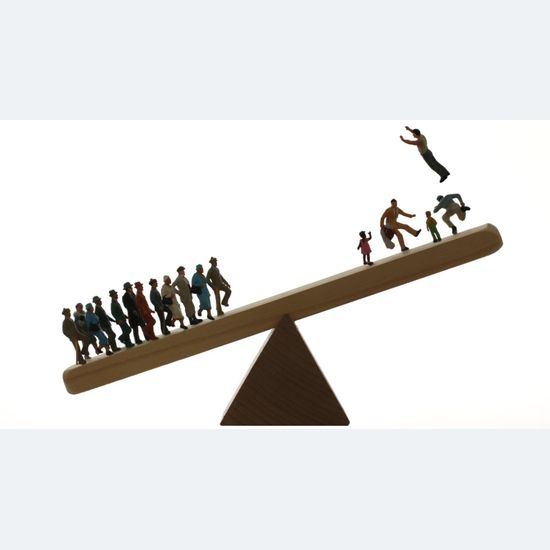
Japan grapples with societal repercussions as its population ages rapidly, stirring up the controversial topic of "Roigai" or "Elderly Nuisance". Public discourse in Japan has grown over potential strains older citizens might place on the nation's economy, healthcare system and social welfare. As welfare costs spiral and manpower dwindles, there's increasing pressure to reassess societal, economic, and healthcare infrastructures to address this demographic shift.
In Japan, an aging population is a pressing issue. The term “Roigai”, which refers to problems caused by the elderly, has sparked debates around senior citizen welfare and their role in society. As a country with one of the highest life expectancies and declining birth rates, Japan’s economy and healthcare system face significant strain. Eldercare and social security have become hot button topics, and society is divided on tackling the issue—between increasing taxes, implementing supportive policies, or encouraging more active roles for seniors.
In contrast to the US or EU where immigration helps balance out the aging population, Japan’s strict immigration policies exacerbate the issue. American and European societies have various systems in place to support their aging citizens, such as social security, pensions, and healthcare benefits. While these systems aren't perfect and have their own set of challenges, they seem more adaptable to demographic changes compared to Japan’s current situation.