
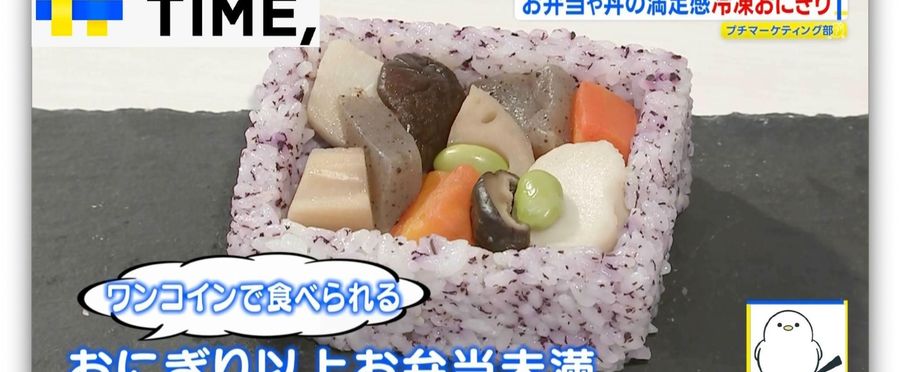
Japan is experiencing an increased popularity in a meal habitude that fills the gap between the small, one-bite "onigiri" rice ball and a full "bento" lunch box. The trend, which can be roughly categorised as "more than onigiri but less than bento", is catching on among Japanese individuals seeking a quick, satisfying bite that provides more satiety than an onigiri, but doesn't require the time and commitment of a full bento meal. The shift reflects changing lifestyles and work patterns in the country.
In Japan, familiar food like onigiri and bento have significant cultural meaning, and play a specific role in the daily life of every individual. The conversation now has shifted towards this medium-sized meal, reflecting changes in work style and eating habits. Convenience and satiety are factors into this trend, emphasizing Japan's value in efficient productivity and health.
This phenomenon is somewhat similar to the rising popularity of "snack meals" or "small plate dining" in the US and EU, where individuals are looking for options that are smaller than a full meal but more substantial than a snack. These options cater to busy lifestyles and satisfy the growing demand for convenience and nourishment.