
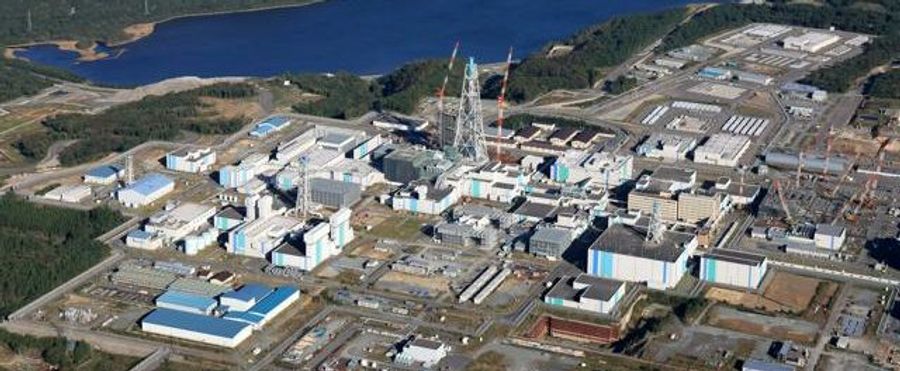
Japan has decided to impose taxes on used nuclear fuel, leading to a significant increase in tax revenues. This newly-introduced fiscal policy is directed towards levying taxes on nuclear power companies, which are then held accountable for the safe disposal of spent nuclear fuel. However, the exact timeline of this imposed taxation is still unspecified. The government aims to balance the need for clean energy with its environmental responsibilities, a balancing act that may set a precedent for other countries.
The decision to tax used nuclear fuel is seen as a significant policy shift towards resolving Japan's nuclear waste issue. For decades, Japan has been grappling with the proper disposal and regulation of nuclear waste, due in part to its heavy reliance on nuclear power. The introduction of this tax is expected to further encourage nuclear energy companies to ensure responsible waste management.
The taxation of nuclear waste is not a common practice in the U.S or EU. Usually, funds for nuclear waste disposal are sourced from contributions by nuclear power companies towards the Nuclear Waste Fund. However, the concept of levying specific taxes on used nuclear fuel could spur a debate on possible implementation in these regions.