
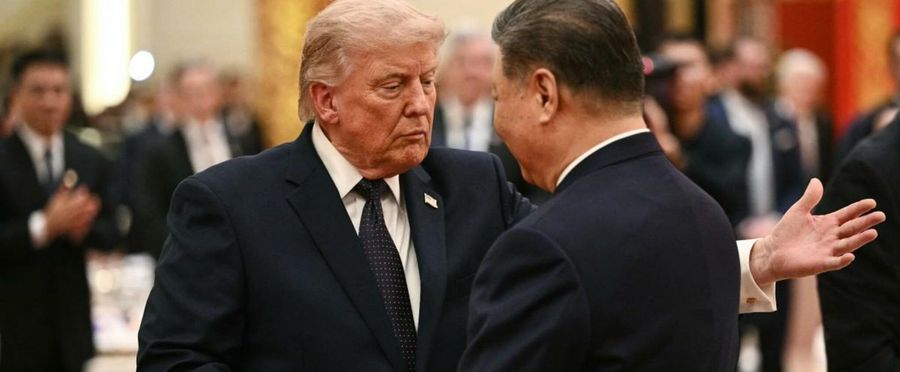
The U.S. government, in line with its long-established 'One China' policy, has urged Taiwan not to declare independence. This move, despite reflecting Washington's continued commitment to stability in the region, comes at a time when U.S.-Taiwan ties have strengthened significantly. The cautionary stance underscores the precarious balance the U.S. has to maintain between its policy commitments and its emerging strategic interests.
Japan is both a stakeholder and an observer in this situation. Both Japan and Taiwan share a tense relationship with mainland China and have significant American military presence. Many Japanese sympathize with the Taiwanese situation due to shared historical experiences and democratic values, but Japan also adheres to the 'One China' policy. Japanese public opinion typically veers toward supporting stability in the region.
Unlike Japan, the EU and the US have historically been less constrained by mainland China's view on Taiwan. There is greater public and political support for Taiwan's democracy in these regions, but their governments also value the economic and security relationships with mainland China. The balance of these factors influences their approach to the issue.