
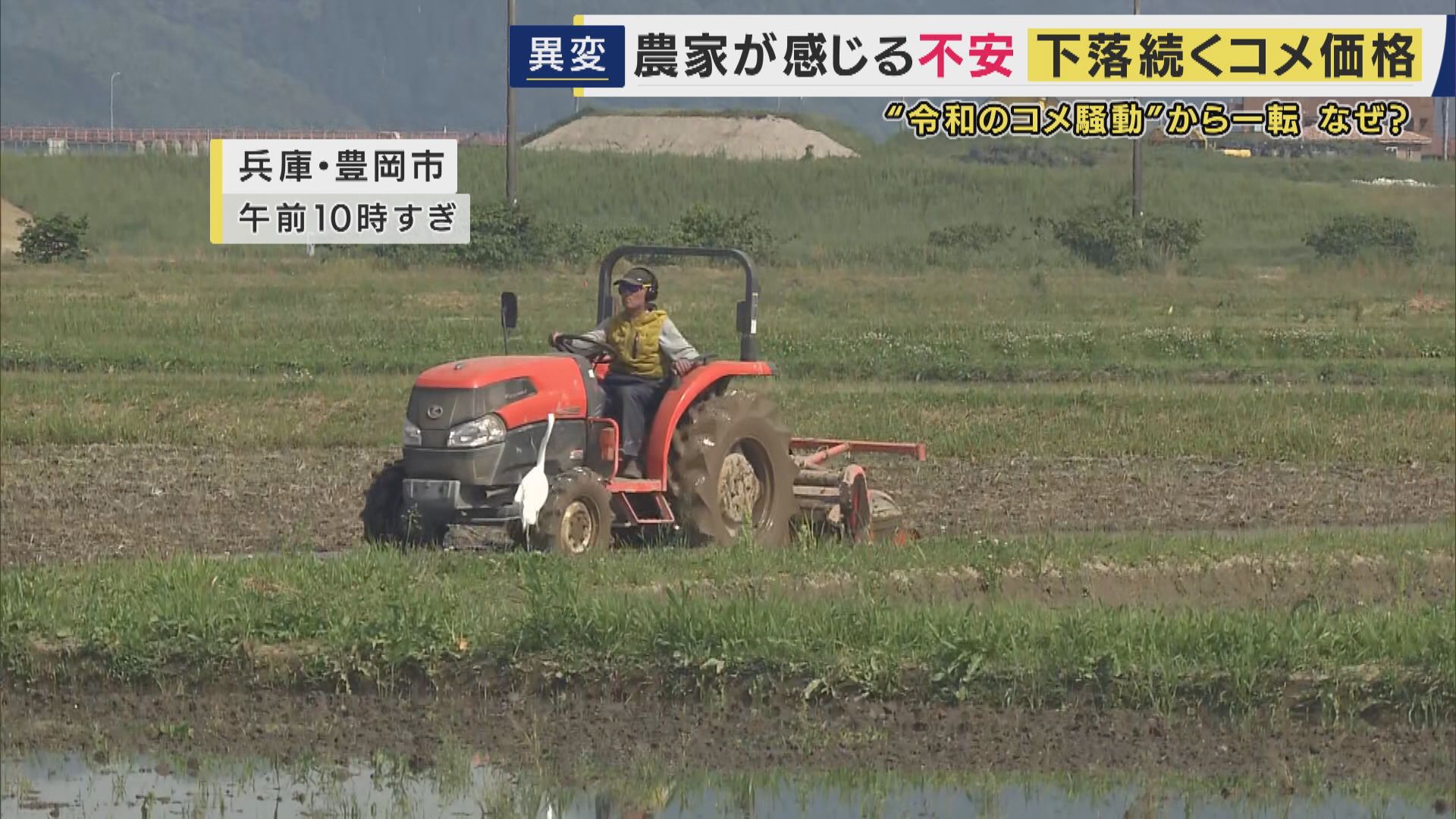
Recently in Japan, the price of rice, a staple food, has dramatically fallen, causing a stir among farmers and consumers alike. This unexpected turn in pricing trends has been linked to factors like overproduction and changes in consumers' dietary pattern. The repercussions of this price dropdown could affect the livelihoods of rice farmers and the overall health of Japan's food industry.
In Japan, the cultivation of rice is not just an economic activity, but a pillar of the traditional landscape and culture. This staple food's affordability and availability are crucial for Japan's food security. Therefore, this sudden plunge in price has implications from the farm to the dining table, making it a subject of national interest.
In comparison to the U.S, where agriculture is largely a free market, Japan has long maintained strict price control and stabilization mechanisms for rice to protect its farmers. Where measures like farm subsidies and price support are not unusual in U.S agriculture, the scale and uniformity of such interventions are unique to Japan.