
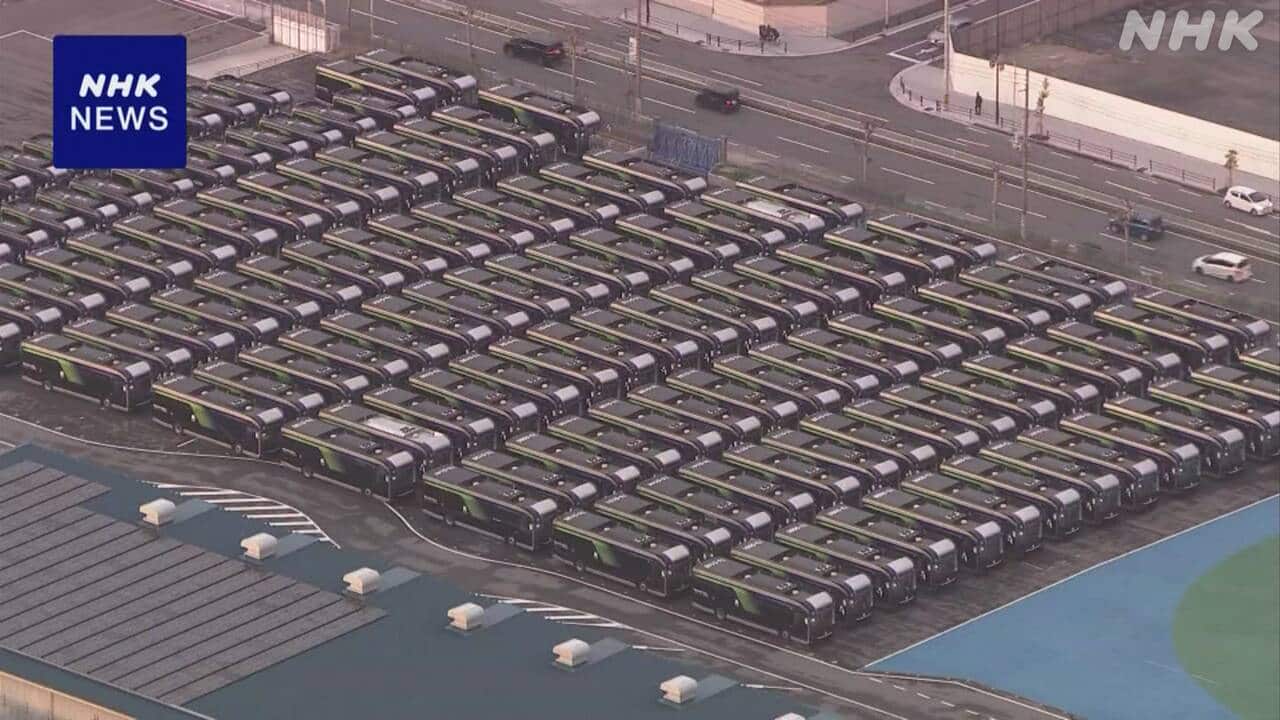
Osaka Metro is reportedly facing substantial financial loss due to its recent adoption of an Electric Vehicle (EV) bus system, specifically designed for the Expo event. With declining ridership and high operative costs, the venture doesn't seem to be paying off as anticipated. The challenges met by Osaka Metro highlight a broader issue within Japan's aggressive green transition, particularly in the public transportation sector.
Given Japan's commitment to environmental sustainability, many institutions, including Osaka Metro, have been encouraged to transition to eco-friendly alternatives. Communities across Japan are watching closely as the nation grapples with financial implications of such moves. As public transportation is a significant aspect of daily life in populous cities like Osaka, these changes and their related challenges directly affect constituents' lives.
Much like Japan, the US and EU are also dealing with economic challenges as they transition to more sustainable, green energy solutions. High upfront costs, logistical challenges, and technology adoption rates are common obstacles. However, given the larger scale and relative maturity of their public transit systems, these jurisdictions often have more robust financial buffers to weather such challenges.