
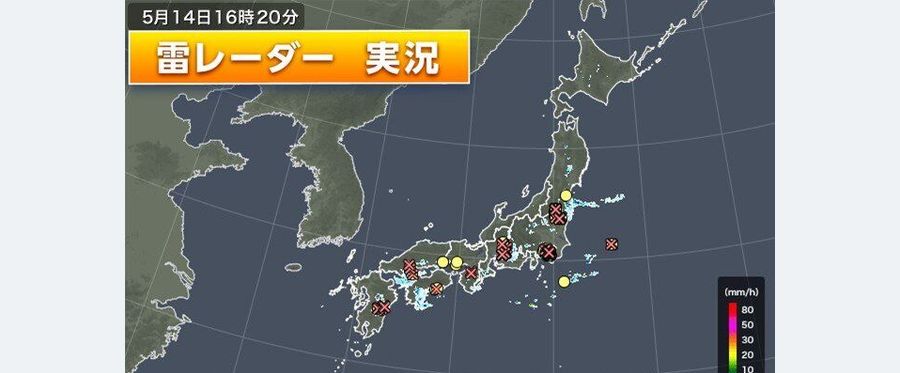
Localized regions in Japan are bracing for severe rain, amid warnings of associated lightning strikes and gusty winds. Authorities are urging residents to exercise caution, particularly if traveling or in exposed areas. The exact regions expected to contend with this severe weather and the timeline it is expected to hit are yet to be confirmed. This alert forms part of Japan's proactive approach to managing and mitigating the potential effects of extreme weather on its populace and infrastructure.
Japan, known for its fluctuating climatic conditions, places great emphasis on keeping its citizens well-informed about changes in weather patterns. The nation faces regular onslaughts of typhoons, heavy rain, and related phenomena like landslides, making safety warnings and disaster preparedness a crucial part of daily life. Such news extends beyond mere weather forecasting; it reflects Japan's broader social commitment to safeguarding life and property.
Similar to Japan, the US and EU also have efficient systems to alert their citizenry about inclement weather, though the prevalence of such scenarios can vary. In the U.S., the National Weather Service issues warnings for severe weather, while in the EU, bodies such as the European-Mediterranean Seismological Centre have similar functions. Each nation's geography influences the extent and type of weather phenomena they encounter, hence differing in their approach to public safety with regards to weather disturbances.