
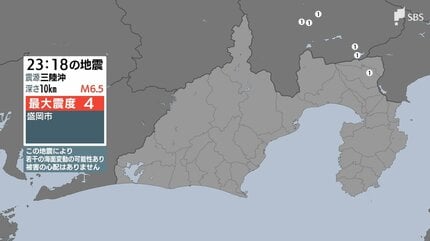
A moderate level 4 earthquake struck Iwate Prefecture, Japan, with no accompanying tsunamis or significant damage reported. The Japan Meteorological Agency confirmed the tremor, reiterating that no tsunami warnings have been issued and residents should continue their normal activities. The exact epicenter of the earthquake remains under investigation, but officials and experts continue to use this incident as a reminder to the public about the importance of earthquake preparedness.
Earthquakes are a common occurrence in Japan due to its location in a region of high seismic activity, referred to as the Pacific Ring of Fire. Public safety and preparedness for natural disasters like earthquakes is taken very seriously. There are regular drills in schools and workplaces, and earthquake-resistant building codes are strictly enforced.
In comparison to the United States or European countries, Japan has a far higher frequency of earthquakes. Consequently, Japan has more advanced earthquake preparedness and response methods. While the U.S. and European nations also have protocols in place for natural disasters, their infrastructure and readiness for earthquakes specifically may not be as advanced due to their lower frequency of such natural disasters.