
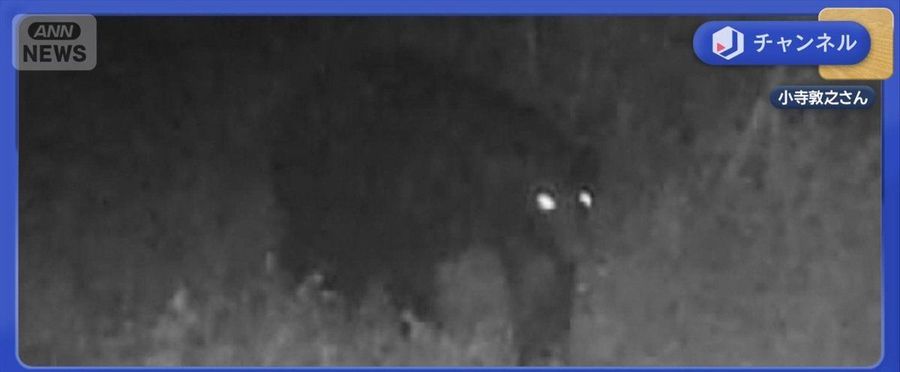
In a significant environmental development, a bear has been spotted wandering close to a residential area in Tokyo. Wildlife specialists have voiced their concern, issuing an urgent warning to residents in light of potential safety risks. Actions are being taken to ensure the safety of both the bear and the residents, including plans for a rescue and rehabilitation operation. However, this incident raises broader questions about human-wildlife interactions in Japan's densely populated urban areas.
In Japan, nature and wildlife are deeply respected and protected by societal and legal norms. Encounters between humans and wildlife, particularly in densely populated urban areas, spark debates around urban planning, environmental conservation, and cohabitation between humans and animals. In this case, many residents and observers are likely questioning how the bear was able to penetrate into such an urban environment and what measures can be taken to prevent similar occurrences in the future.
Comparably, in both the US and EU, there are also occurrences of wildlife entering urban areas, typically as a result of habitat loss due to urban development. These instances lead to concerns about safety, as well as discussions around better urban planning and wildlife conservation strategies. Much like Japan, public safety is paramount, but there's also an emphasis on humane treatment of the animals involved.