
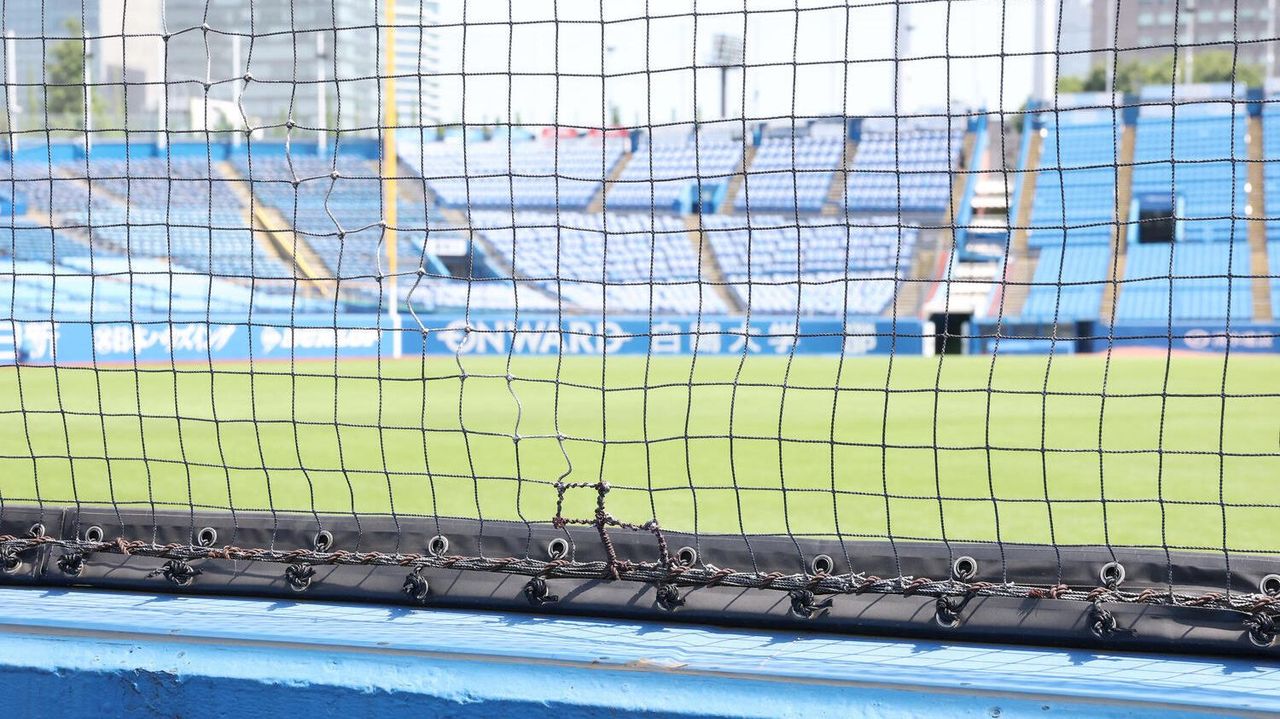
The Jingu Stadium in Japan recently underwent repair following a contested home run that raised eyebrows across the nation. The questions center around whether or not the ball actually cleared the boundary, with some arguing that it likely slipped through an unnoticed hole in the stadium's outfield wall. Critics say this may have inadvertently influenced the game's outcome, sparking both controversy and a prompt repair of the stadium's infrastructure.
Baseball is among the most popular sports in Japan, and any irregularities that may affect game results often become major talking points among local fans and media. The integrity of the sport and fairness of play are deeply valued aspects of the nation's baseball culture. This incident reflects not only the stringent standards held for stadium maintenance, but also the immense attention to detail observed by both Japanese baseball enthusiasts and the general public.
Disputed sports decisions are common across the globe. In the US or EU, fans, players, and officials often turn to technological aids for resolving such controversies, such as video replays or advanced tracking systems. Any possible stadium defects that may impact the outcome of games would also invite immediate scrutiny and swift action, much like the case in Japan.