
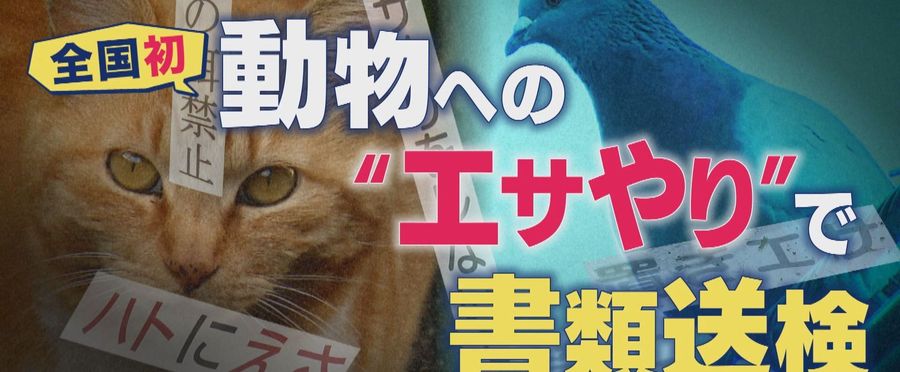
In the wake of increasingly frequent cases of deliberate and reckless feeding of wildlife in Japan, concerns have been raised about the reality of the situation and the legal repercussions surrounding it. This article investigates the issues around people feeding wild animals with inappropriate food items, discussing its effects on the animals' natural behaviour and health as well as potential legal risks for the involved individuals. It also explores the current legislation and enforcement measures in place aiming to deter such behaviour.
Animal feeding offences are a serious concern in Japan due to the country's rich biodiversity and high respect for nature. Inappropriate feeding can disturb the ecological balance and even cause health problems for animals. The act is seen as a breach of responsibility towards wildlife. Japanese law has specific legislation in place against improper feeding, with legal consequences for those involved.
In the US and EU, similar issues are also dealt with strictly. Fines and imprisonment can be used as punishments for perpetrators. Education and public service campaigns are common, aiming to teach people about the negative impacts of feeding wildlife and the importance of maintaining natural habitats.