
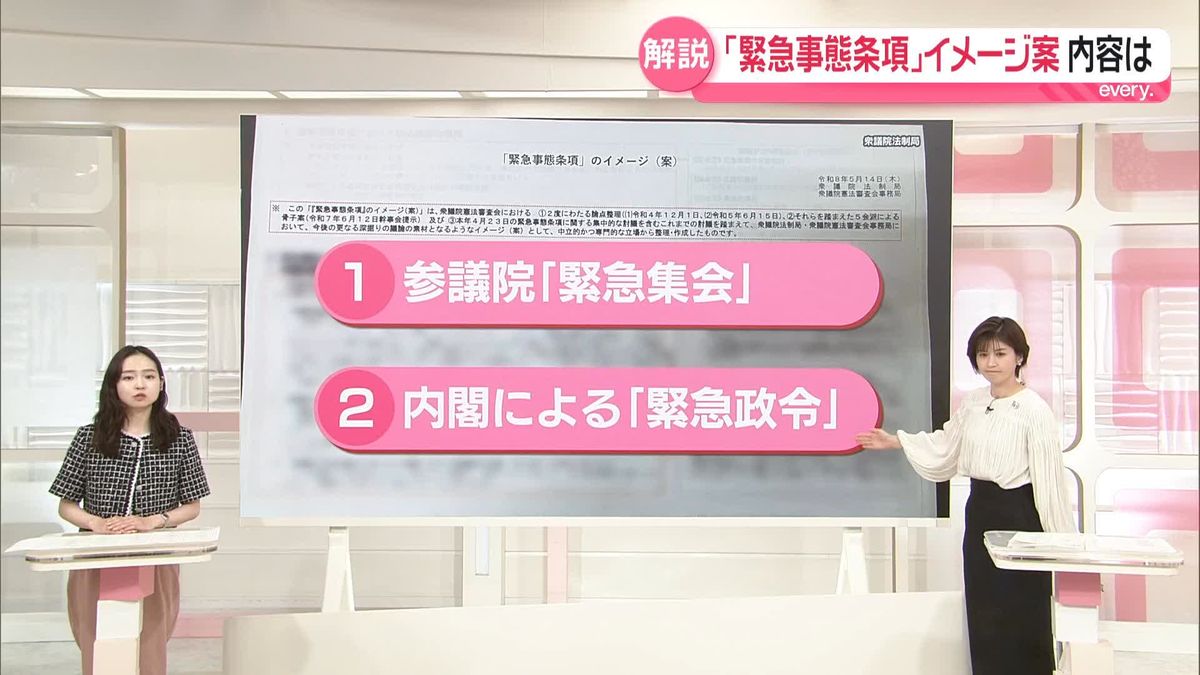
Japan's government has unveiled its draft for the emergency measures clause, a critical element in the nation's constitution. This new legislation initiative comes amidst a backdrop of ongoing debates on how to manage unforeseen crises effectively within the country. The government yet has not specified the execution timeline, which is anticipated by the public with a mix of anxiety and hopefulness. This new clause's unveiling symbolizes Japan's readiness to adapt and change proactively to potential emergencies challenging societal stability and security.
Given the country's history of grappling with natural disasters and other crises, emergency preparedness is a highly sensitive and significant matter in Japan. The reveal of this policy is anticipated to spark rigorous debates at all societal levels, concerning national safety, civil liberties, and the government's level of authority. Japan has a long-standing cultural value of consensus and harmony; hence, it will be interesting to see how these new measures are decided upon and implemented while balancing these core principles.
In the US or EU, emergency measures are often predefined and constitutionally integrated, allowing governments to act swiftly during crises. The heated debates accompanying such measures usually focus on balancing public safety and individual rights. While these debates certainly exist in Japan, the difference might be seen in Japan's consensus-centered style of passing and executing such measures.