
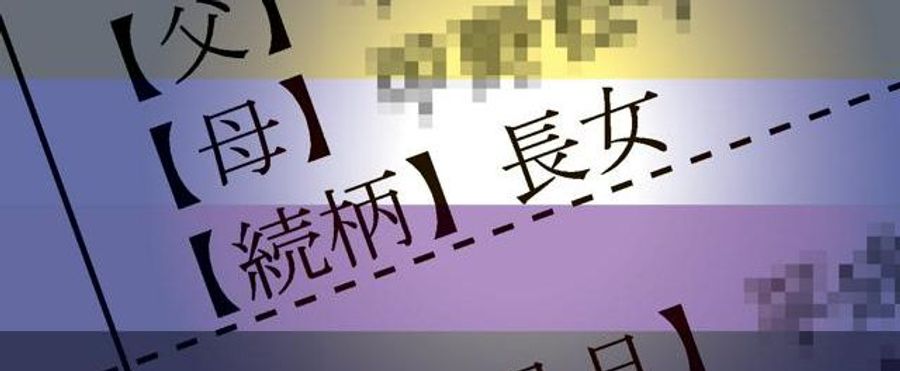
In a historic verdict, the Japanese High Court has ruled that the gender markers in the national family register system, or 'koseki', are in violation of the Constitution. The ruling addressed the need for gender inclusivity and acknowledged the system's imbalance, sparking nationwide discussions on the need for reform. The verdict's full implications and how it could potentially transform Japan's archaic family register system remains to be seen.
In Japan, the 'koseki' system has been integral in documenting familial ties and legal identities. This system has faced criticism for a lack of inclusivity towards different gender identities. With this landmark ruling, issues of gender equality and inclusivity have been thrust into the spotlight. The national conversation is focused on how to balance the system's traditional role while acknowledging the need for reform.
Unlike Japan, the US and EU do not have a centralized family register system and respect individuals' right to self-identify their gender. Yet, these regions also grapple with issues of gender inclusivity and equality, with various levels of legal protection offered to individuals who don't conform to traditional gender norms.