
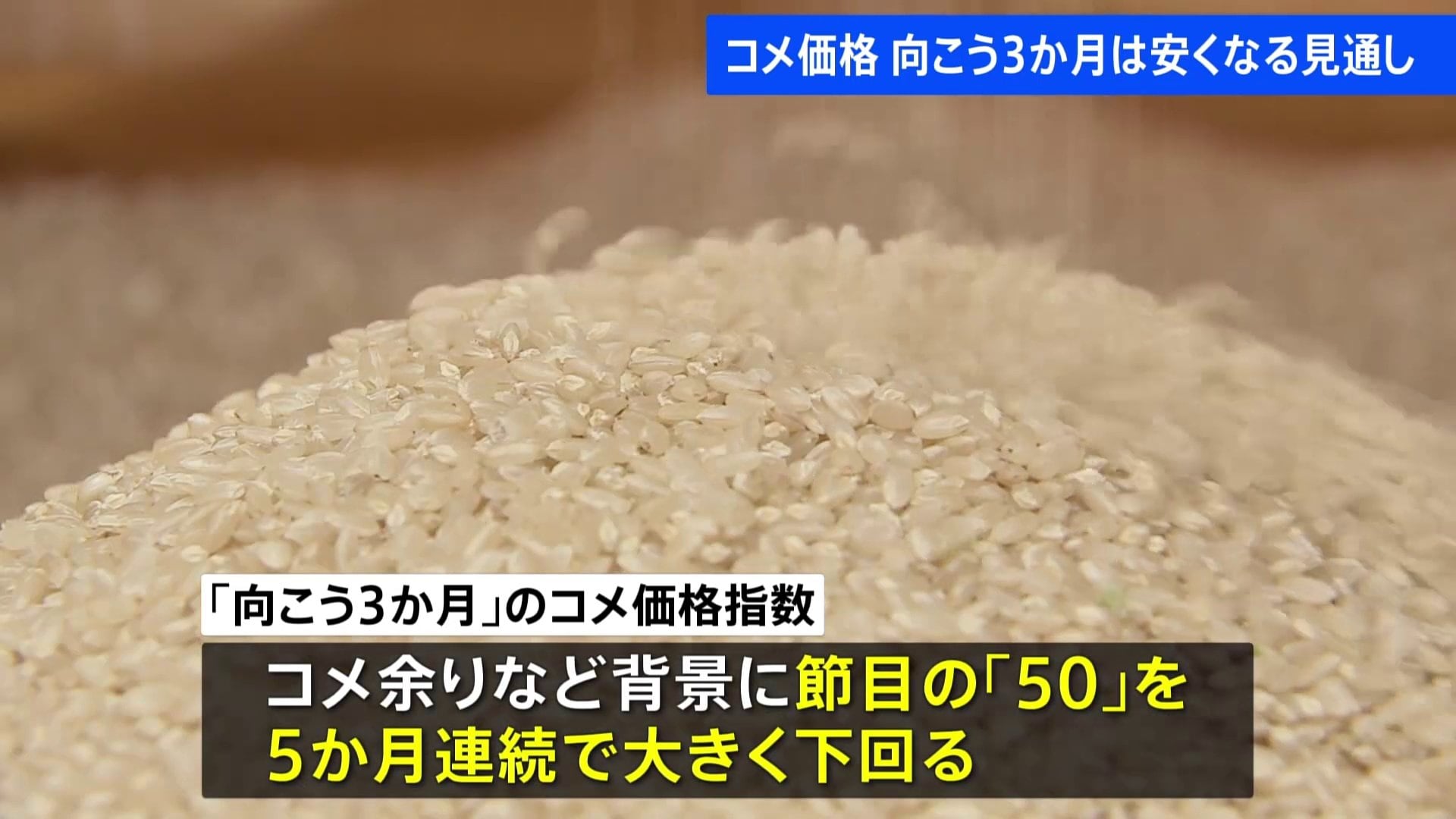
The price of rice in Japan is likely to decrease over the next three months, according to recent forecasts. Acknowledged as staple food, a drop in rice prices can directly impact household spending, leaving consumers with more disposable income. While the reasons behind this predicted price drop remain intricate, likely factors involve favorable weather conditions for rice cultivation and dynamic agricultural policies.
Rice is not just a staple food in Japan - it plays a crucial role in its culture, economy, and daily life. Price fluctuations of rice can significantly affect Japan's economy and households. When rice prices fall, it's usually seen positively by consumers, as it implies lower living costs. However, the implications for rice farmers are more complex, as lower prices might affect their profit margins.
Similar to corn in the U.S. or wheat in the EU, rice in Japan is a critical agricultural commodity. Just as changes in the prices of these staple grains can impact the economies in these western countries, so too can changes in the price of rice affect Japan. Every country's government often steps in to balance the interests of consumers and producers, which adds an additional layer to understanding price movements.