
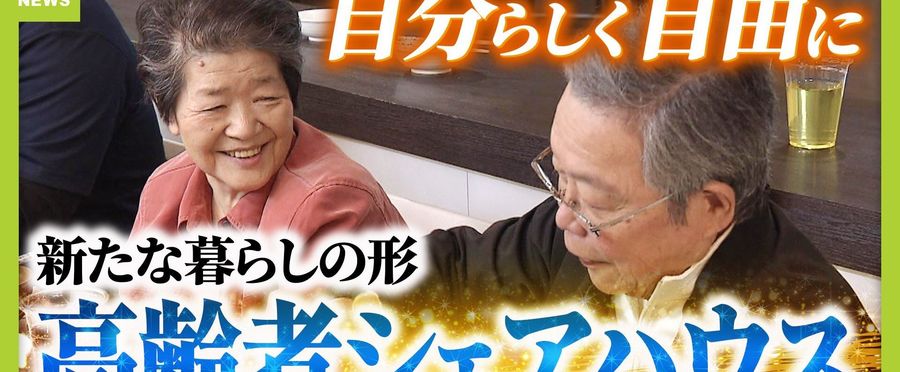
Reports are highlighting a growing trend within Japan, as more elders choose to live in shared housing, or "シェアハウス." This encapsulates a diversifying approach to senior living, moving away from nursing homes and towards communal settings. The article explores individual experiences, as well as the impact on family structures and societal norms. It also delves into the benefits offered by such an arrangement and the challenges it poses.
In Japan, respect for the elderly is intertwined with cultural norms and values. Hence, how seniors live in their twilight years is of great public interest. With Japan's population rapidly aging, alternatives to nursing homes are sought out, causing shared housing for the elderly to gain prominence. Shared housing lets seniors retain some independence while providing the companionship of like-minded peers.
In contrast, the US and EU also face an aging population but have varying approaches. Shared housing is also present but less prevalent. Focus in these areas is more often on nursing homes, at-home healthcare assistance, and retirement communities designed for active seniors.