
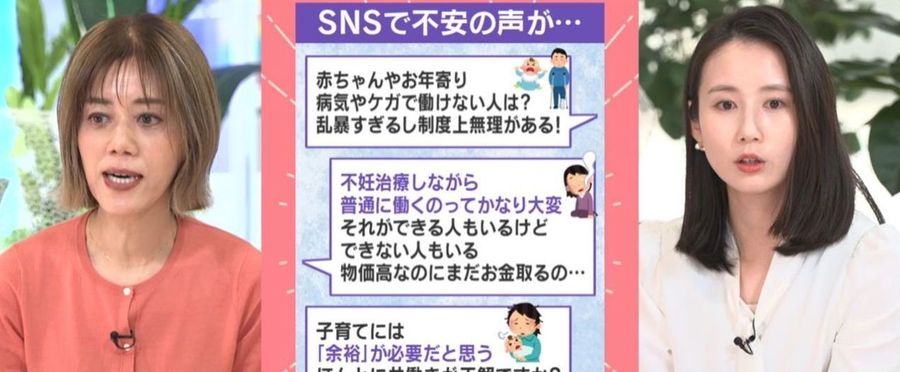
Japan's proposed revamp of its healthcare insurance dependency system has been the subject of controversy, sparking a flurry of misunderstandings. The discussion revolves around changes affecting households wherein earners might be obligated to shoulder a heavier financial burden for supporting dependent family members. As details of the proposal emerge from officials, citizens are grappling with the implications of such a change in a country with a rapidly aging population.
In Japan, social security and healthcare are highly regarded and form a significant part of public policy discussions. The current focus on the healthcare insurance system overhaul is due to its potential impact on millions of households. Considerations around societal norms of family support and an aging population make this a sensitive issue that many are keenly interested in.
In contrast, the US and EU have diversified systems of healthcare, with different structures of insurance contributions and various programs for those unable to provide for themselves. Unlike Japan's fairly uniform system, the US and EU approaches emphasize individual plans, private insurance, and state or national insurance schemes depending on the country.