
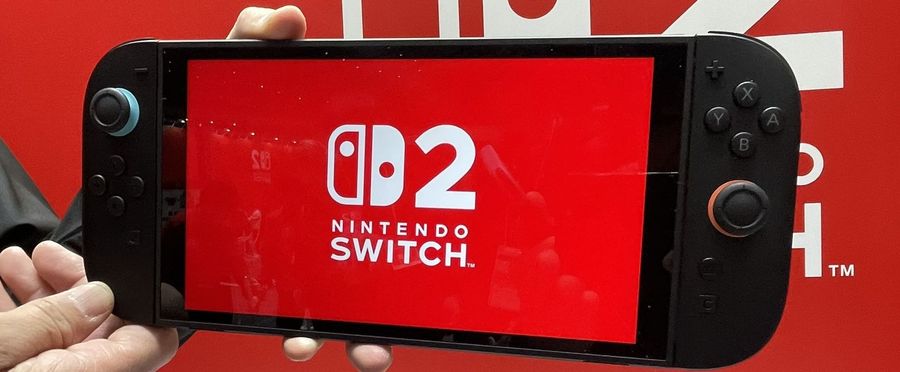
Nintendo, the renowned Japanese gaming company, has announced a price increase for their upcoming console, the Switch 2. The new model will see a surge of 10,000 yen compared to its predecessor. This decision comes amid a global shortages of chips and electronic components, adding additional market pressures on tech giants. Nintendo's pricing move is set to influence the gaming market as well as consumer's buying habits.
Within Japan, increasing prices of well-established household brands such as Nintendo could generate mixed reactions. Consumers are known for their loyalty to domestic brands and being willing to pay a premium for high-quality Japanese products. However, depending on the perceived added value of the Switch 2, this may test their tolerance for price increases, especially during uncertain economic times due to the pandemic.
In the US or EU, substantial price hikes for popular gaming consoles might provoke more vocal protests and potentially lead to drops in sales if competitors offer more budget-friendly alternatives. Consumerism in these regions typically revolves around value for money, and the tolerance for price increases tends to be lower unless they come with signficant improvements or enhancements.