
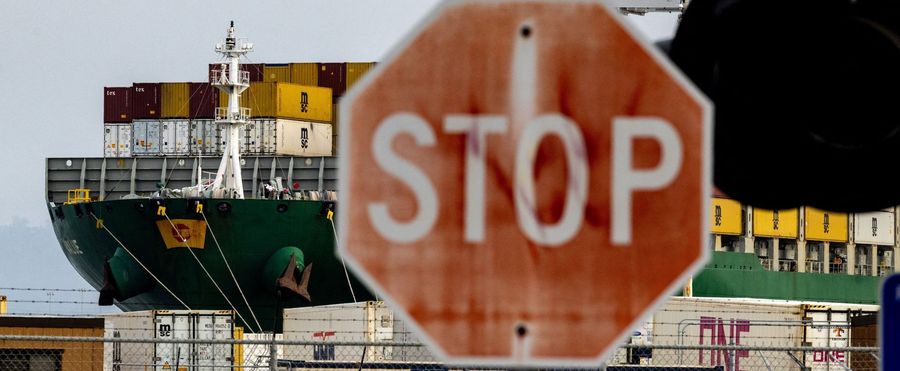
An international trade court has ruled that the 10% substitute tariff imposed by the US is illegal. The ruling comes after heightened tensions between Washington and Tokyo regarding trade policies and imports/exports. The judgment may potentially reshape the dynamics of US-Japan trade relations and impact global trade on a wider scale. Continued negotiations between the two countries are expected.
Trade relations are vital to Japan's largely export-dependent economy. Japan depends heavily on the US market, thus any alteration in trade policies of the US significantly impacts the Japanese economy. The ruling is of great significance domestically, as it bears directly on business exporters and the wider economy. The legal integrity of international trade agreements and rules are also questioned and scrutinized by both policymakers and the public.
In the US, trade relations form a significant part of economic policy, and decisions like these are often politicized and can become contentious points during electoral campaigns. In the EU, member states generally favor a more cooperative and multilateral solution to trade issues under the rubrics of the European Union's policies.