
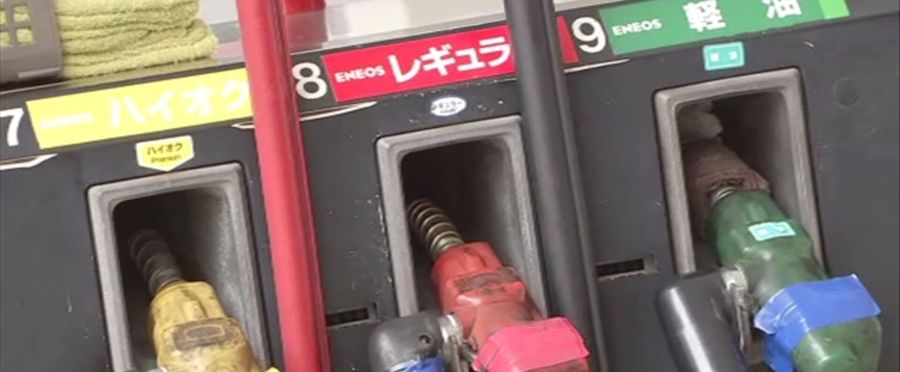
Japan's government has allocated a hefty sum of 180 billion yen towards gasoline subsidies in the month of March. This financial move aims to offset the burden of high fuel prices on citizens and businesses. The decision arises amidst an increasingly challenging economic landscape, with more people relying heavily on transportation for daily activities.
In Japan, economic balance and societal welfare are firmly rooted values. These significant subsidies reflect an initiative to create affordability amidst rising fuel prices, demonstrating a societal focus on taking care of the economically disadvantaged. Thus, such a massive spend on gasoline subsidies stimulates public discussion on energy policies and future economic strategies.
In the U.S and EU, similar issues are handled with a combination of approaches, including subsidies, tax credits, and other forms of financial assistance for struggling sectors, but the scale varies from country to country. In contrast, Japan's unified approach in providing nationwide gasoline subsidies is notable.