
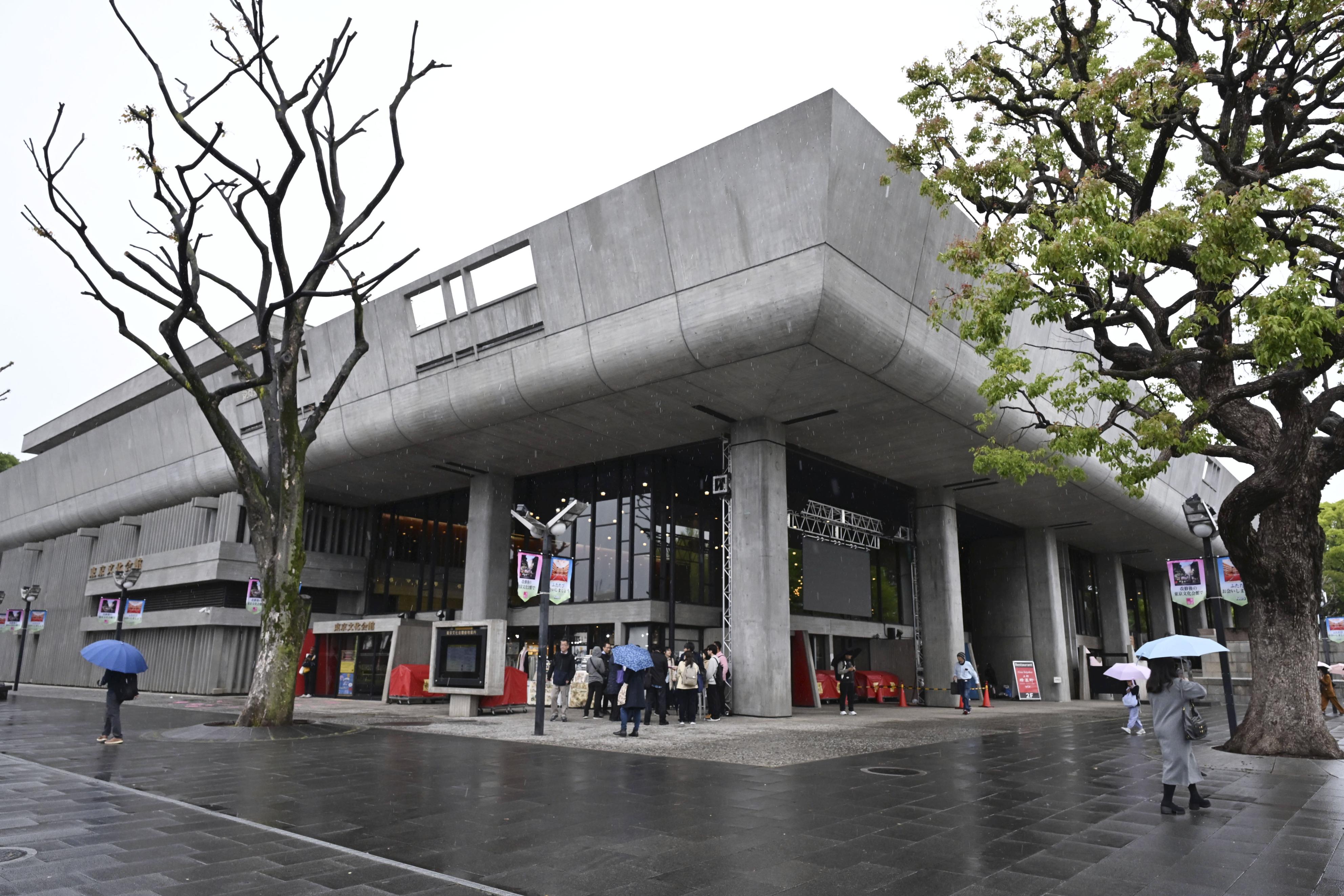
Tokyo Cultural Hall, an epicenter for Japan's cultural and artistic scene, has announced a three-year closure for extensive renovation. The hall, renowned for its remarkable performances and exhibitions, seeks to upgrade itself to better accommodate this new era's cultural demands. The makeover aims to enhance the hall's accessibility and convenience while preserving its historic architecture and cultural significance.
Cultural preservation is deeply valued in Japan, ensuring sites retain their historical integrity while meeting modern demands. The Tokyo Cultural Hall, being an iconic cultural symbol, its renovation is seen as a balance between modernization and heritage preservation. The closure has sparked discussions around the value of protecting these cultural landmarks while acknowledging the inevitable need for modernization.
In the US and EU, similar discussions arise when historic landmarks undergo renovations. Balancing the need for modern facilities and preserving historical integrity is a recurring theme. For example, the renovation of London's Royal Albert Hall and Washington D.C.'s National Building Museum also spurred widespread public interest and dialogue, similar to Tokyo's Cultural Hall.