
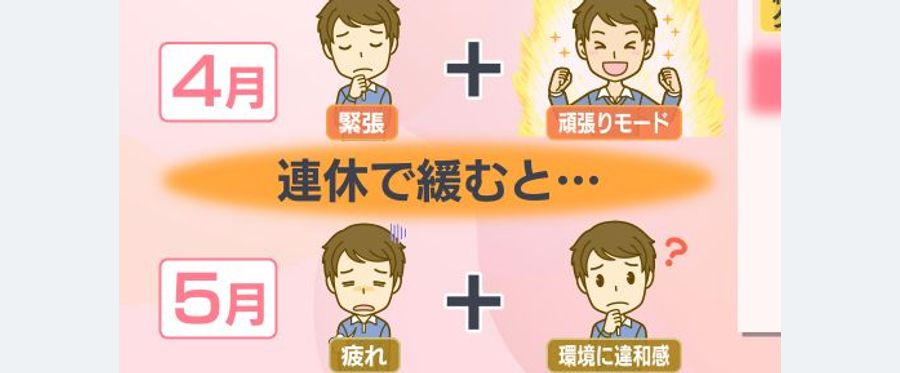
As Japanese workers return from their extended Golden Week holiday, many are bracing themselves for the familiar post-holiday slump, popularly referred to as "May Sickness". The phenomenon, characterized by low morale and reduced productivity, typically strikes in the wake of the prolonged period of relaxation. Mental health experts stress the importance of self-care during this period, advising techniques like gradual re-adjustment and maintaining open communication with colleagues.
In Japan's rigid work culture, 'May Sickness' is a well-recognized phenomenon. Following the celebratory Golden Week holidays in early May, many Japanese struggle with the transition back to their regular routine. Concerns over mental health and work-life balance are increasingly being recognized and addressed, prompting discussions about effective coping strategies for post-holiday lethargy.
In comparison with the US or EU, where occasional bouts of work dissatisfaction may not have specific nomenclature, Japan’s formal recognition of 'May Sickness' underscores its acknowledgement of the psychological effects of workplace stress. However, Western countries have for a longer period recognized mental health concerns related to the workplace, and have systems in place towards addressing these.