
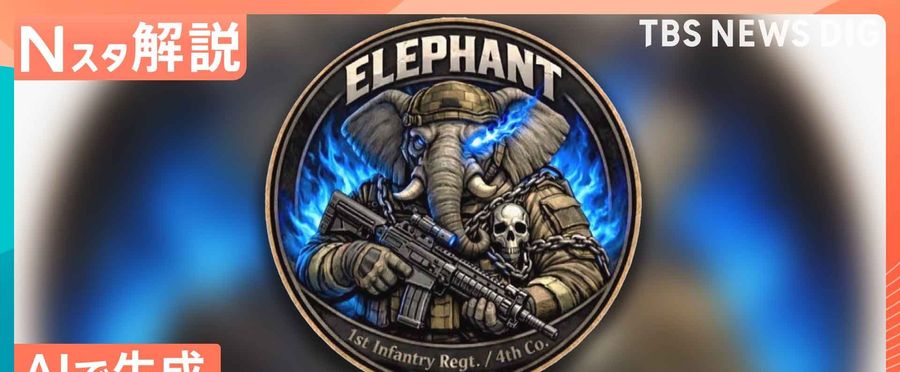
Recent backlash is growing over the Ground Self-Defense Force's choice to use a 'skull' logo, triggering a nationwide debate in Japan. Critics argue that the logo is inappropriately aggressive and may reflect negatively on a nation known for its pacifistic stance post World War II. Meanwhile, defenders say the skull, a symbol commonly found in military iconography worldwide, is being overly scrutinized. This has ignited significant conversation about what symbols the military should adopt, forcing policy makers to reconsider their decision.
In Japan, societal discussions about the military are often nuanced and complex due to the country's pacifistic constitution implemented post WWII. Much of the population respects peaceful conflict resolution and is wary of symbols and actions that may imply militant aggression. In this context, the controversy surrounding the 'skull' logo is notable and draws attention to ongoing debates about Japan's military role and representation both at home and abroad.
In countries like the US or EU, military logos and symbols often incorporate aggressive imagery without much public scrutiny. Such societies tend to accept the connotations of strength and defense associated with these symbols. The controversy seen in Japan underscores cultural differences pertaining to military representation and public sensitivity towards symbols deemed aggressive or combative.