
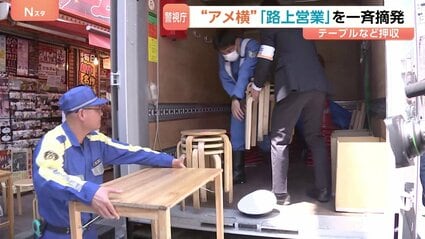
Tokyo law enforcement has launched a comprehensive crackdown on unlicensed street vendors in the vicinity of the famous Ameyoko Market. This widespread operation is aimed at enforcing regularity and licensing rules. The crackdown seems to be part of a broader plan to control street-level, informal businesses, further highlighting the ongoing tension between tradition and regulation in Japan's commercial spaces.
In Japan, street vending, especially around popular locales like Ameyoko Market, contributes substantially to the local culture and economy. Regulations governing these vendors were typically lax, allowing for a thriving, while somewhat disorganized, market culture. However, recently, there has been growing emphasis on orderliness, hygiene, and compliance, leading to such crackdowns. These activities draw mixed reactions from a society that values the economic support of these vendors, but understands the need for organized business practices.
For comparison, street vending in cities within the US or EU pretty much face similar issues, where unlicensed vending is considered a legal violation. There are specific locations and guidelines for setting vending stalls, and laws are strictly enforced to ensure public safety, compliance with business laws, tax regulations, and hygiene standards.