
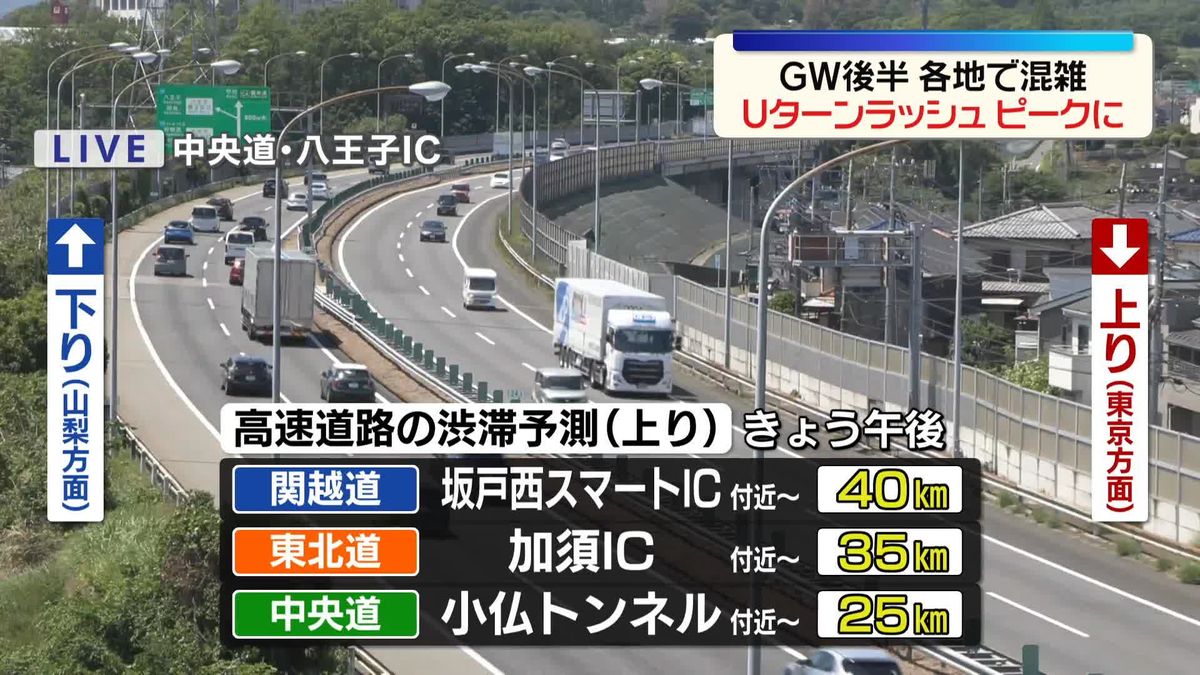
The second half of Japan's Golden Week national holiday saw the typical "U-turn rush" peak as vacationers started their journeys home. This phenomenon often results in massive congestion, especially noticeable on public transportation systems. Additional measures were applied to handle the influx of travelers, including increased frequency of trains and expanded road services, in hopes of ensuring smoother-than-usual transitions for vacationers returning home.
The "U-turn rush" is an annual occurrence in Japan, happening at the end of significant holidays, most famously Golden Week. People return en masse to their usual residences from hometowns and holiday destinations, resulting in heavy congestion. The quality of logistical handling during this period often becomes a topic of public discourse and is seen as a reflection of efficiency in public transportation systems.
In the US or EU, similar congestion often occurs around major holidays like Thanksgiving or Christmas. However, these countries are more car-oriented and personal vehicular traffic tends to be the major issue. In contrast, Japan's congestion is more public-transportation-centric due to the country's heavy reliance on these systems.