
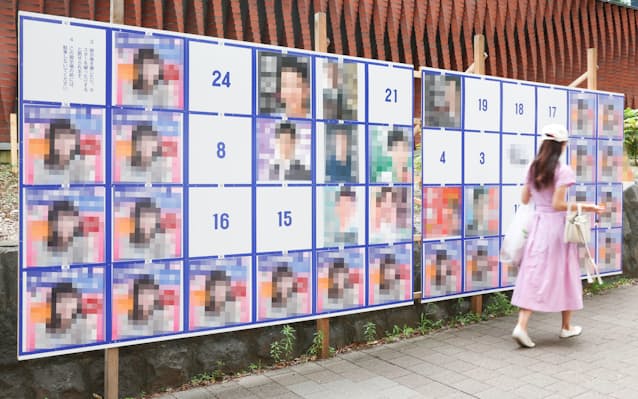
Japanese policymakers are considering revisions to existing laws that deal with slander during election periods. This action aims to establish a safer and fairer political environment, maintaining respect and truthfulness as paramount values in political discourse. The proposed revisions address the ever-increasing concerns about disinformation campaigns and harmful narratives that can disrupt the democratic process. The timeline and specific actions for these revisions have yet to be detailed.
The issue of slander during elections is a significant concern in Japan, as campaigns often become quite heated and sometimes devolve into personal attacks. Society values respectful discourse and fairness in elections, with the public viewing slander as a corrosive element in the democratic process. Legal actions to control this problem reflect these social values.
In the U.S. and EU, laws addressing defamation, libel and slander during election campaigns already exist. But with the advent of the digital age, these laws are constantly tested and re-evaluated. Much like Japan, the West also grapples with issues of electoral disinformation, which can be harder to regulate due to free speech protections and the dynamics of online communication.