
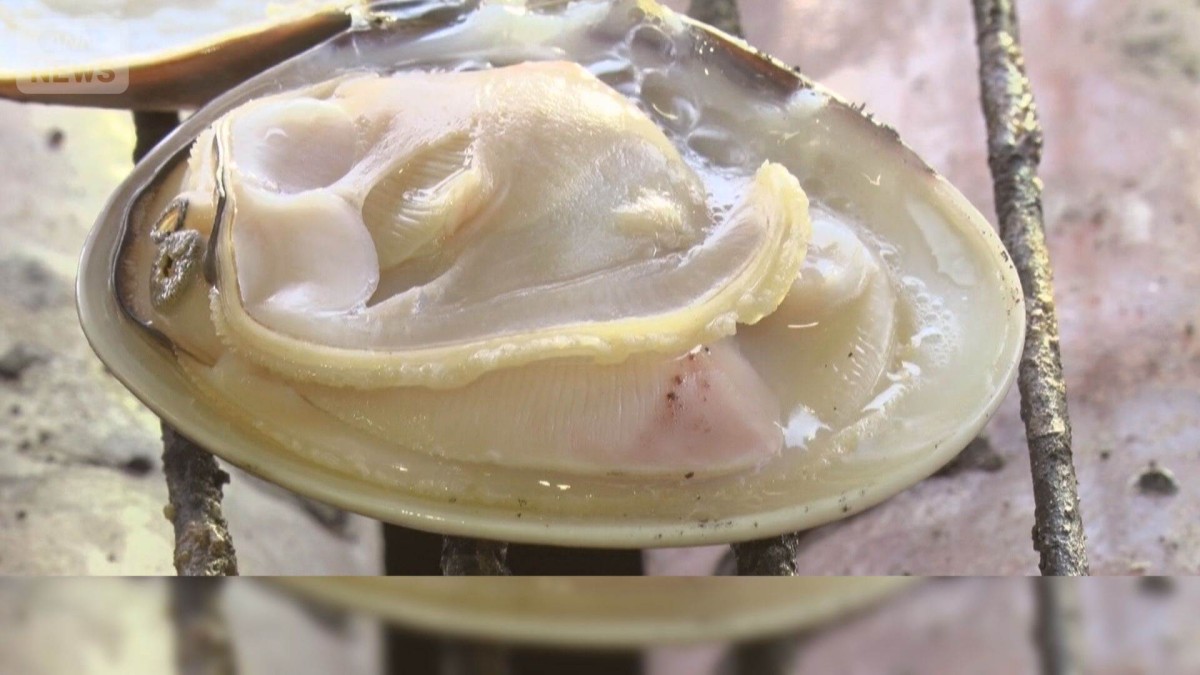
Clam digging in Japan, a cherished seasonal tradition, has been marred by an increasing number of violations, leading some to call these areas "lawless zones." Many disregard size and catch limitations set to ensure sustainable clam populations, while others litter or trespass private properties. Authorities are struggling to control the situation due to limited law enforcement personnel and lack of public awareness about the importance of adhering to rules when clam digging.
Clam digging or 'shiohigari' is a favorite recreational activity among Japanese families and tourists, especially during spring and early summer. People of all ages participate in it for fun and to enjoy fresh clams. It also holds deep cultural value, seen as a time for intergenerational bonding and connection with nature. However, the increasing violations affect the environment, private properties, and the sustainability of clam populations causing serious concern.
In contrast, the US and EU have strict laws regarding fishing and shellfish harvesting for recreational purposes, with hefty fines and even potential jail time for violations. These regulations are well-enforced, and the public is generally aware of the need to respect them.