
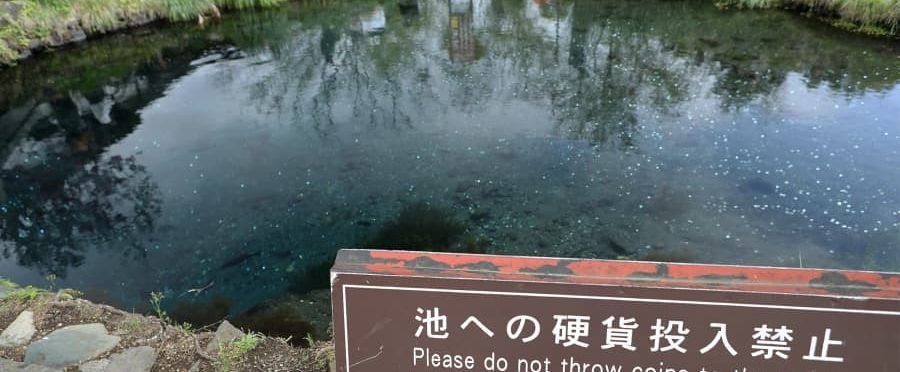
Tourists visiting Japan have been frequently seen throwing coins into ponds, a practice they believe brings good fortune. However, this habit is suspected of contaminating the water sources. While the ritual might seem harmless, it poses concern about water pollution and potential harm to the ecosystem. Local authorities are now seeking measures to address this issue, which significantly combines cultural understanding with environmental preservation.
In Japan, this issue sparks discussions around environmental preservation, cultural integrities, and tourism. The nation has been juggling between promoting its rich cultural heritage to attract foreign visitors and preserving its environmental cleanliness. While looking for solutions, societal and legal values such as respect for nature, sustainability, and hospitality are considered due to their importance in Japanese society.
In the US and EU, similar issues of littering in public places—especially historical or national monuments—are also taken seriously. Any practices contributing to pollution, including tossing coins into water bodies, are generally discouraged. Penalties and fines are often imposed as deterrents. Public awareness campaigns and signage are utilized to educate visitors about the impact of their actions on local ecosystems.