
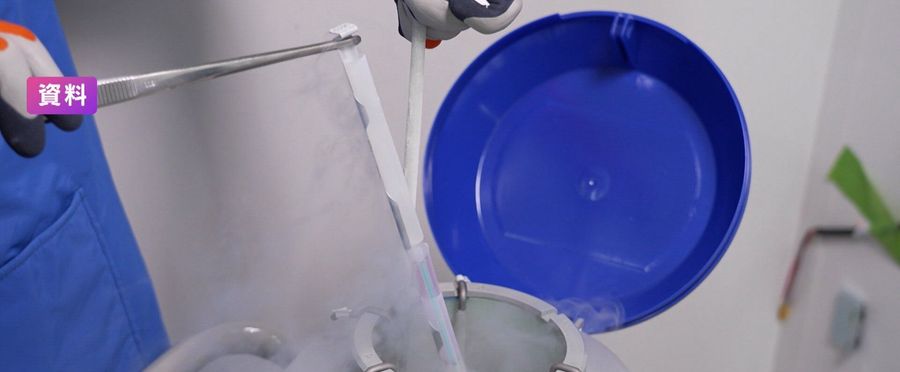
The Japanese government is set to limit the age for its subsidies on egg freezing procedures to women under 35. This move aims to strike a balance between supporting family planning and managing the costs of a rapidly aging population. The decision comes amidst a broader healthcare debate and will likely stir discussions on women's reproductive rights and societal expectations in Japan.
In Japan, fertility treatment is a highly debated topic given the nation's aging society and declining birthrate. This new policy is seen as an attempt to promote birthrate while balancing the economic constraints brought by population aging. People in Japan care about this issue as they are grappling with the challenges of balancing personal family desires and societal expectations, in addition to medical and financial considerations raised by such treatments.
In comparison, the U.S. and EU have varying policies on fertility treatment, with many not offering government subsidies. Egg freezing is typically covered by insurance or is paid out-of-pocket. There is also a broader range of acceptable ages for these treatments, unlike Japan's newly imposed age limit. However, similar discussions about the burden of healthcare costs and the roles of women in society occur globally.